
· 10 min read
How Peptide Coupon Codes Work: Every Vendor Plays by Different Rules
Peptide coupon codes follow each vendor's own rules. How first-order, newsletter and affiliate codes differ, what stacks with sales, and how to check one.
Welcome to your trusted source for biohacking and peptide insights. Our blog delivers science-backed strategies and real-world protocols to help you take control of your biology. Whether you're optimizing energy, recovery, or longevity, this blog provides actionable knowledge backed by research and real-world experience.
· 10 min read
Peptide coupon codes follow each vendor's own rules. How first-order, newsletter and affiliate codes differ, what stacks with sales, and how to check one.

· 16 min read
BPC-157 peptide benefits graded by evidence: strong animal data for tendon, ligament, and gut repair, plus three small human reports that prove far less.

· 20 min read
The Semax peptide is a Russian prescription nasal drug studied in stroke. See its BDNF mechanism, safety flags, Selank contrast and its 2026 US status.

· 10 min read
ARA-290 is an investigational peptide studied for small-fiber neuropathy. What the early trials found, the doses they used, and the limits.

· 16 min read
CJC-1295 and ipamorelin dosage from studies and clinics, why the two are stacked, side effects, the FDA votes, and why no trial has tested the blend.
· 15 min read
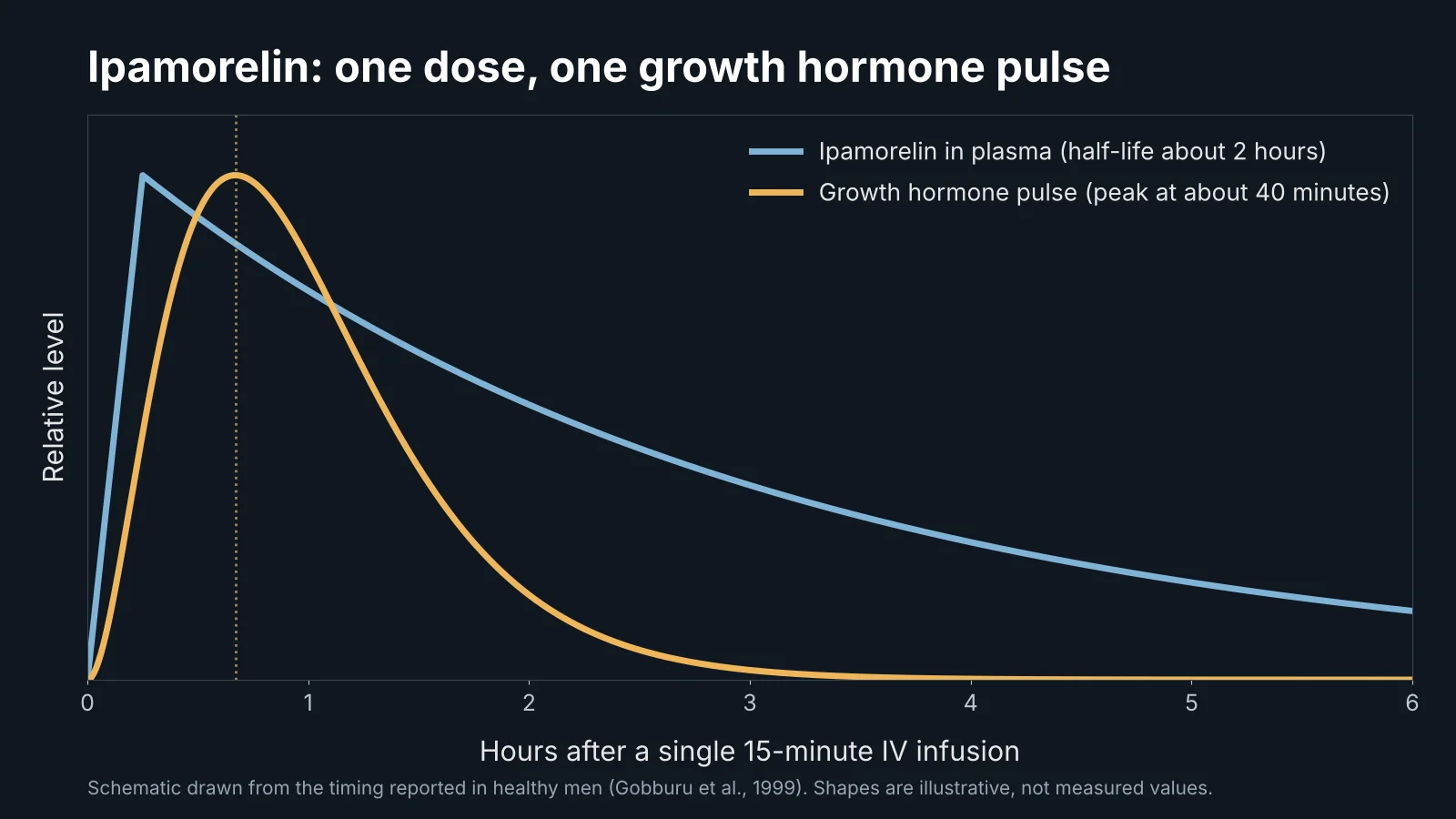
Ipamorelin dosage, benefits and side effects from the published studies: human doses tested, the 2-hour half-life, FDA safety concerns and the unknowns.

· 23 min read
The tirzepatide peptide explained: how dual GIP and GLP-1 agonism works, what SURPASS and SURMOUNT found, and what testing shows about research vials.

· 14 min read
Oxytocin peptide is a hypothalamic neuropeptide studied for bonding, appetite, and pain. How it works, what intranasal research shows, and its side effects.
· 10 min read
How glutathione injections work, how the IV, oral, and liposomal routes compare, what the research really shows for skin and recovery, plus dosing and safety.

· 10 min read
Vasoactive intestinal peptide (VIP) is a research neuropeptide with gut, immune, endocrine, and nervous-system effects. See how it works, its risks, and safe sourcing.
· 9 min read
Retatrutide is an investigational triple-agonist peptide with record weight-loss data. See what the research shows, its side effects, dosing, and why it is not FDA approved.
· 9 min read
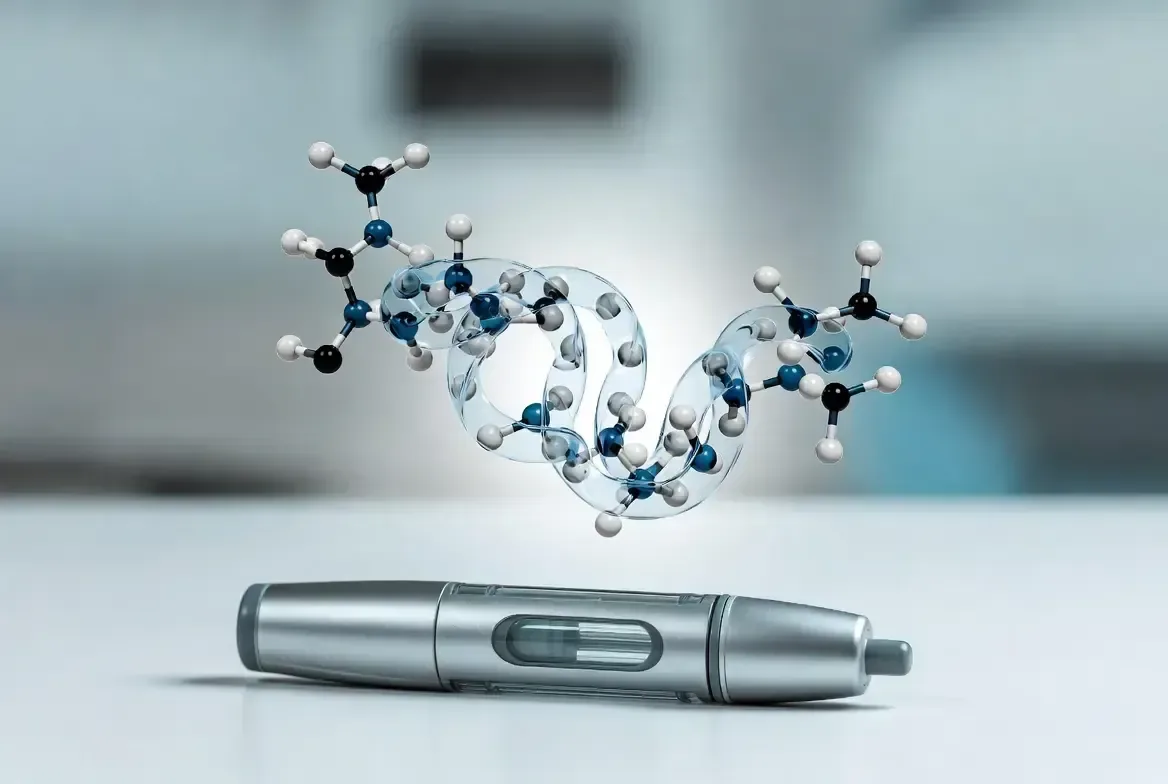
Yes, peptide overdose is possible. See which peptides carry the most risk, how dosing errors happen, the symptoms to watch for, and when to seek care.
· 14 min read
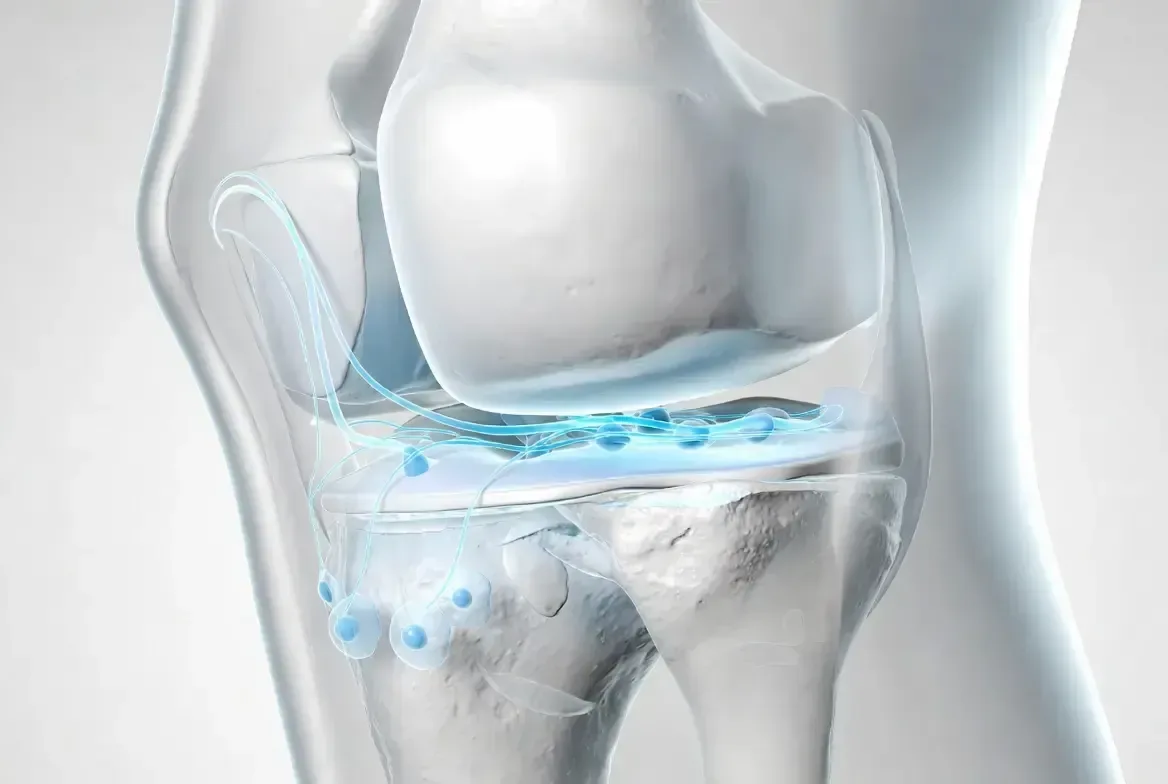
What Cartalax peptide is, how the Khavinson cartilage bioregulator is proposed to work, what the research shows, dosing formats, safety, and how it compares.

· 12 min read
How growth hormone peptides, IGF-1, CJC-1295, Ipamorelin, and Tesamorelin affect muscle, fat loss, and recovery, plus the safety and legal facts to know first.

· 12 min read
Tesamorelin is a GHRH analog studied for visceral fat reduction. What the research shows on body composition, metabolic health, safety, and prescription status.
· 15 min read
What peptides do for men's muscle, recovery, sleep, fat loss, and sexual health, plus side effects and where the research really stands.
· 11 min read
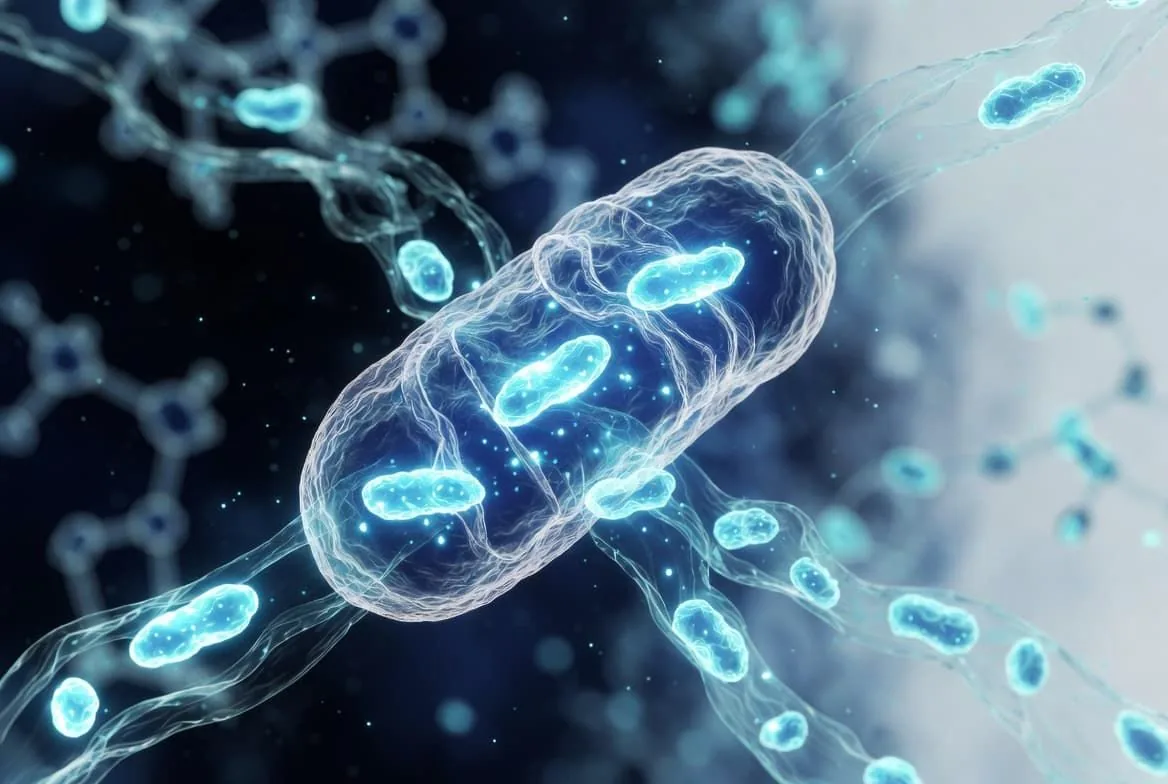
A clear, science-backed look at the MOTS-c peptide. How it works, what the research shows, side effects, timing, and where to get it for research.

· 17 min read
Discover what KPV peptide is, how it works, its anti-inflammatory benefits, research-backed dosage ranges, safety profile, and current scientific evidence.

· 7 min read
A research-focused overview of Melanotan 1, the synthetic alpha-MSH analog studied for skin pigmentation. Mechanism, reported results, and safety.
· 16 min read
A research-grounded overview of peptide benefits for women, covering skin, hormones, metabolism, mood, recovery, and safety considerations across life stages.

· 11 min read
Learn what peptide support means, how peptides work, and the categories of peptides studied for muscle, immunity, joints, weight, sleep, thyroid, and longevity.

· 9 min read
Compare the most studied peptides for mental focus, including Semax, Selank, Dihexa, Cerebrolysin, and Pinealon, with research context, mechanisms, and safety notes.

· 24 min read
Gonadorelin, Kisspeptin, and hCG are upstream peptides that influence testosterone through HPG axis activation. Here is what the research actually shows.

· 7 min read
Cellular peptides regulate signaling, repair, and immune response at the cell level. Learn how they work, how they’re used, and why they matter.
· 14 min read
CJC-1295 DAC and CJC-1295 No DAC are the same peptide with one small chemical addition. See how the DAC modification changes half-life, dosing, and side effects.

· 20 min read
Learn what the GLOW Peptide Blend is, how GHK-Cu, TB-500, and BPC-157 work together for systemic recovery and anti-aging, and what the research says about benefits, dosing, and risks.

· 19 min read
Pinealon (Glu-Asp-Arg) is a synthetic tripeptide studied for neuroprotection, sleep, and memory. See what the research shows, including the one human dose.

· 11 min read
Vilon (KE) is a synthetic dipeptide bioregulator researched for immune aging and chromatin remodeling. Learn what the literature says about mechanisms, dosing, and sourcing.
· 23 min read
BPC-157 isn't FDA approved and was banned by WADA in 2022. What human pilot studies, 2025 reviews, and angiogenesis cancer concerns mean for safety decisions.

· 21 min read
What is SS-31? Research-focused breakdown of how elamipretide targets cardiolipin, improves ATP production, and what clinical studies show about its safety and applications.

· 12 min read
A research-backed breakdown of how GLP-1 receptor agonists affect the gallbladder and pancreas, including what the clinical data says about real-world risk.

· 15 min read
Explore how peptide hormones regulate growth hormone, testosterone, and endocrine function. A research-focused guide to the best peptides for hormone balance.

· 15 min read
BPC-157 and TB-500 are the two most researched healing peptides available. This protocol covers exact stack ratios, dosing frequency, cycle length, and what the research actually shows.
· 24 min read
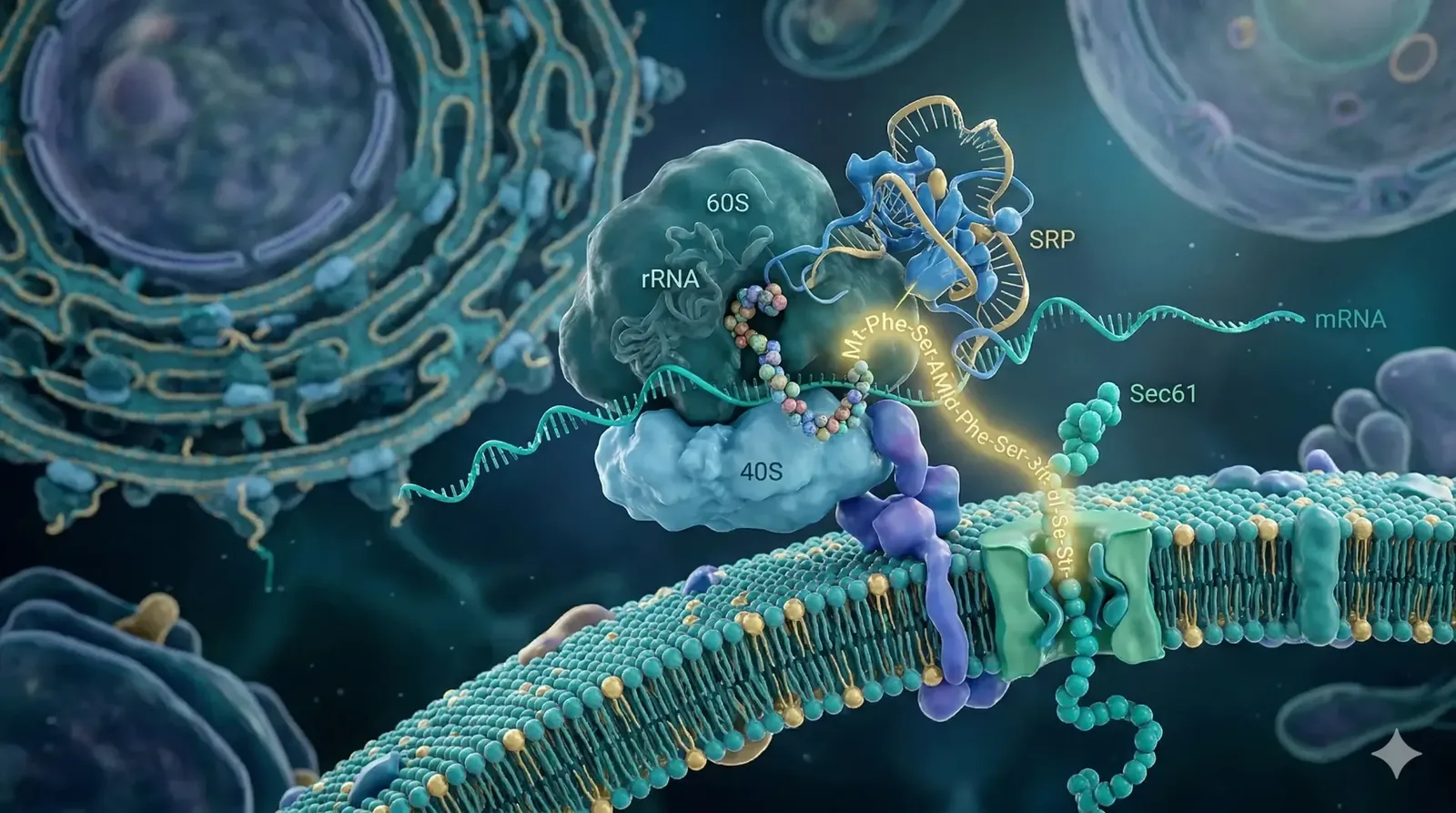
Identify signal peptides from amino acid patterns, SignalP and deep-learning prediction, plus lab validation like mass spectrometry, Western blot, and N-terminal sequencing.
· 12 min read
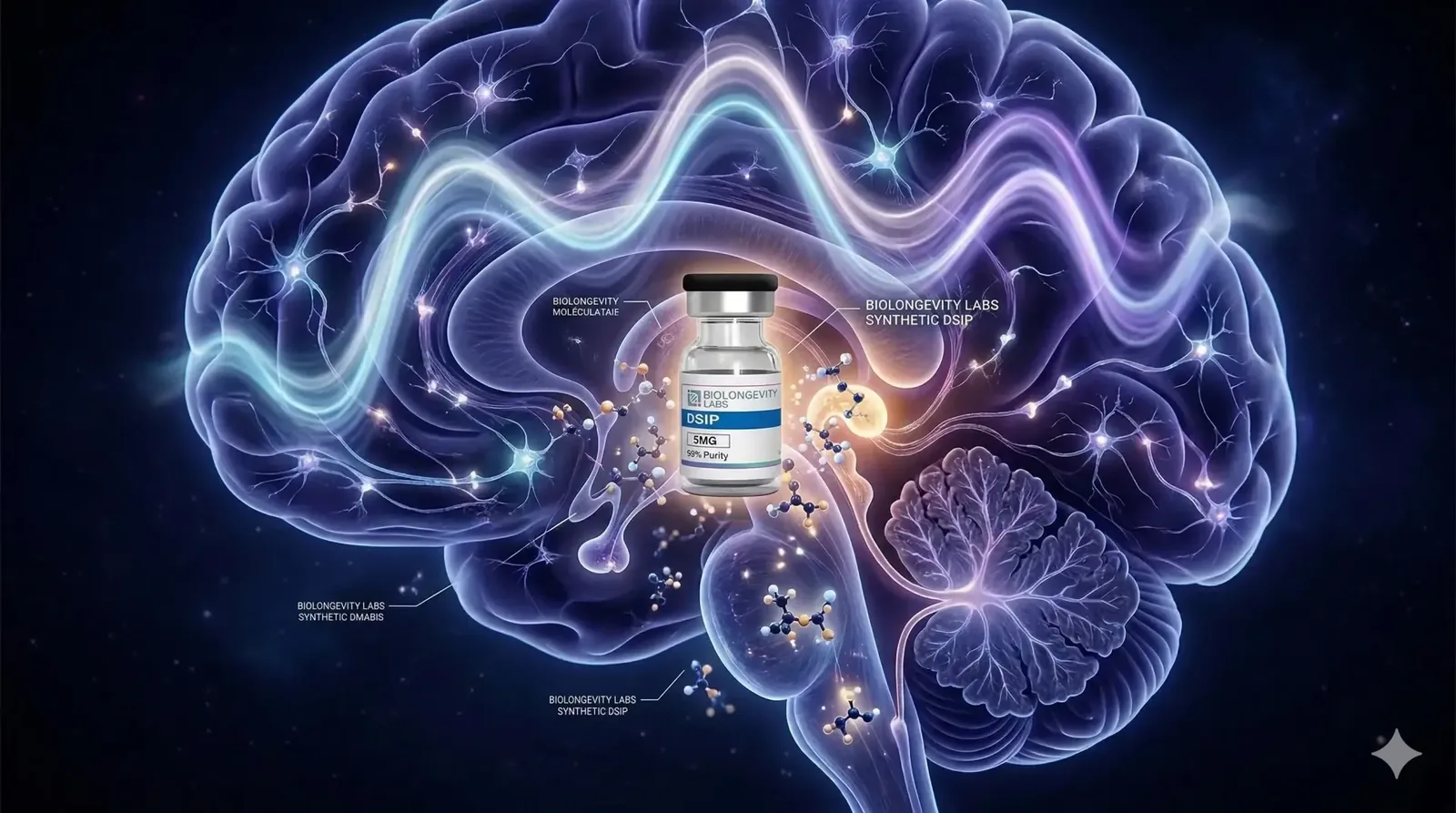
DSIP peptide is a sleep-focused neuropeptide used in biohacking to improve deep sleep and recovery. Learn how it works, dosing strategies, and research insights.
· 14 min read
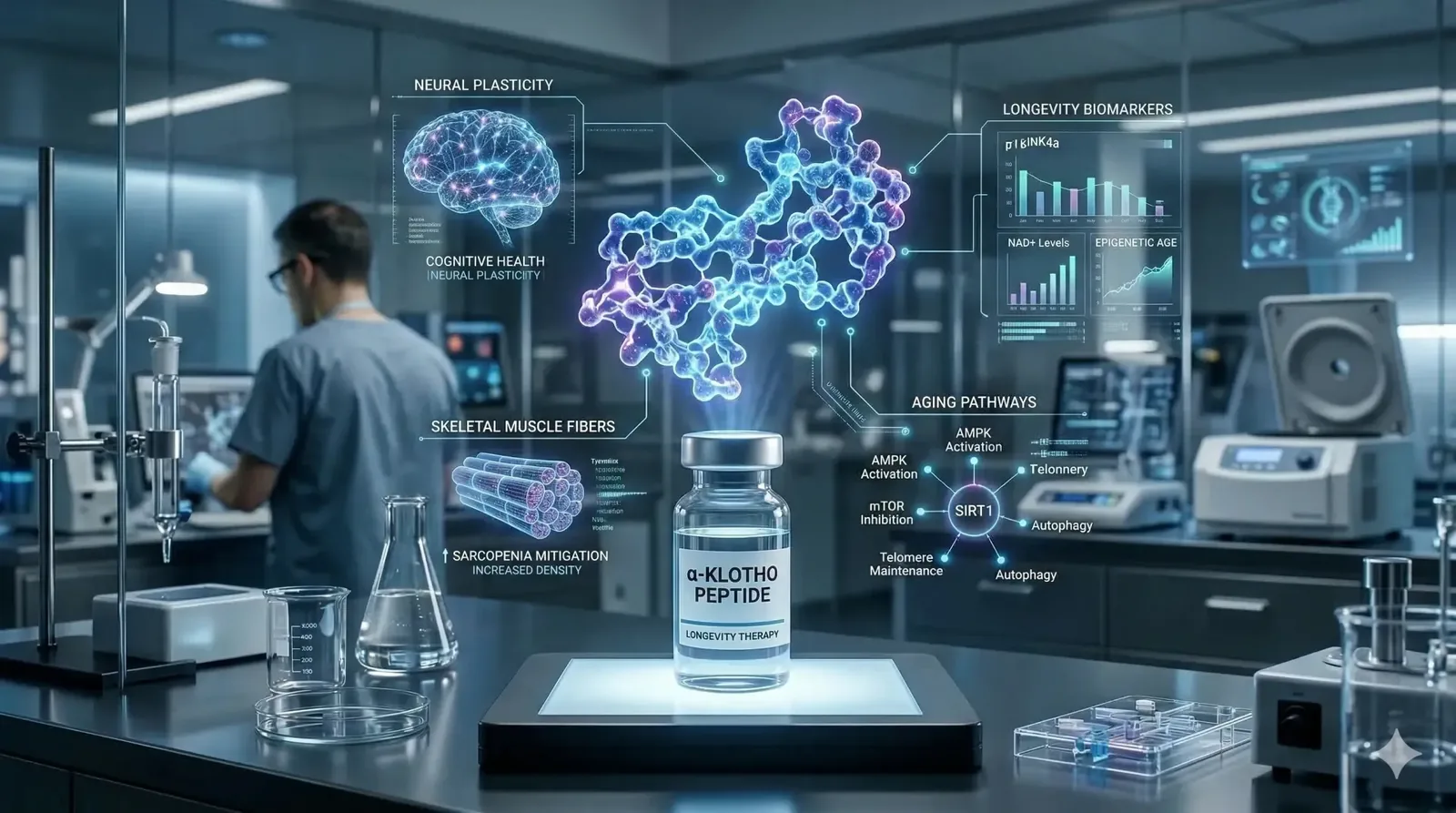
Klotho peptide explained: what alpha-Klotho does for cognition, muscle, and aging, where human trials stand, and how to source research-grade AlphaKlothoLR.

· 6 min read
Peptide Sciences shut down in early 2026. Here is what caused it, what it means for gray-market peptide access, and the vetted vendors still operating safely.

· 13 min read
Storage doesn't degrade peptides instantly. It changes your confidence in what remains active. Here's what actually matters after reconstitution.

· 8 min read
Understand the fundamental differences between peptide therapy and dietary supplements, why they're often confused, and why the distinction matters.
· 6 min read
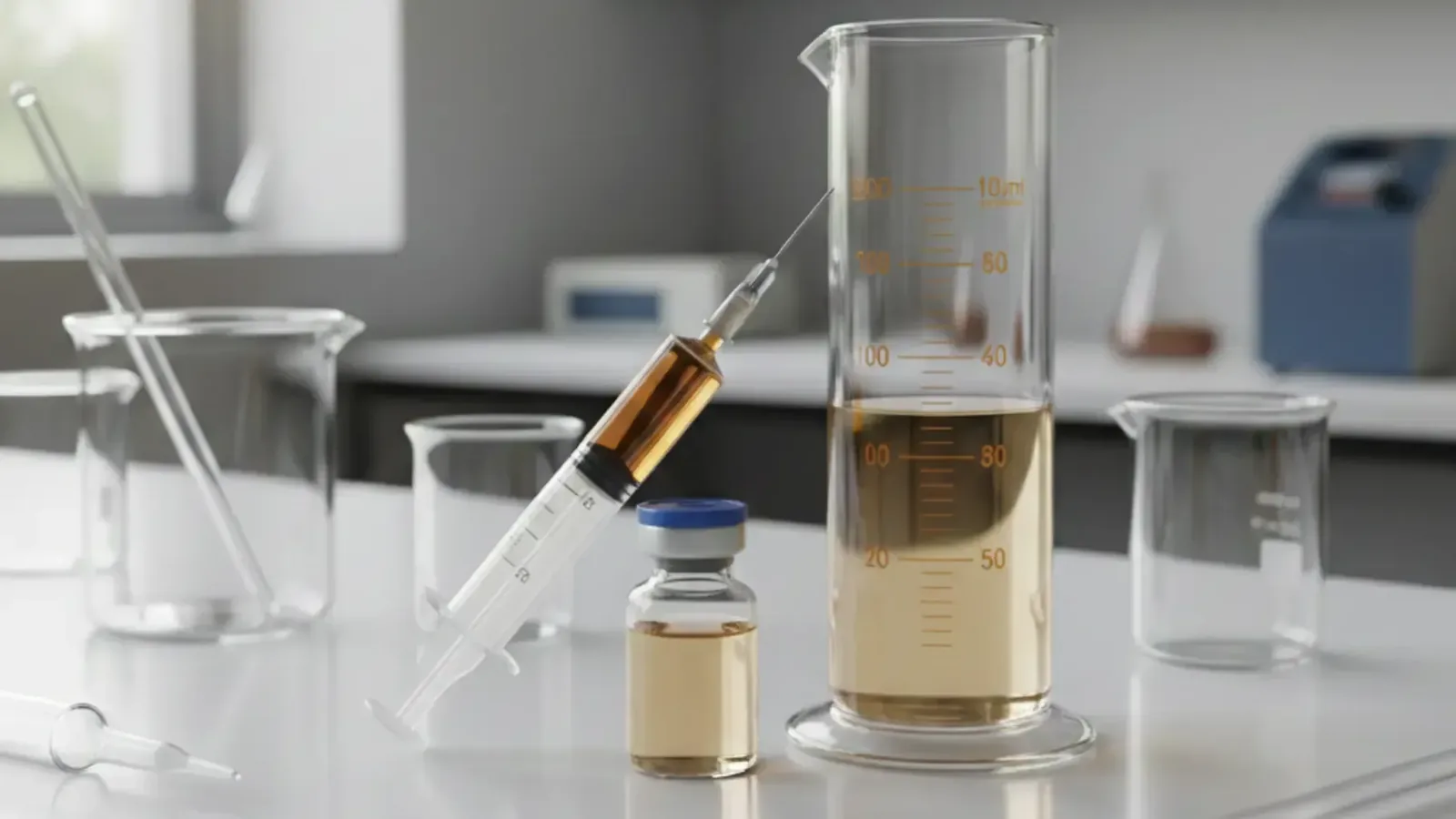
Peptide concentration is set during reconstitution, not dosing. Learn how dilution volume determines strength per mL and why this matters before calculating doses.
· 11 min read
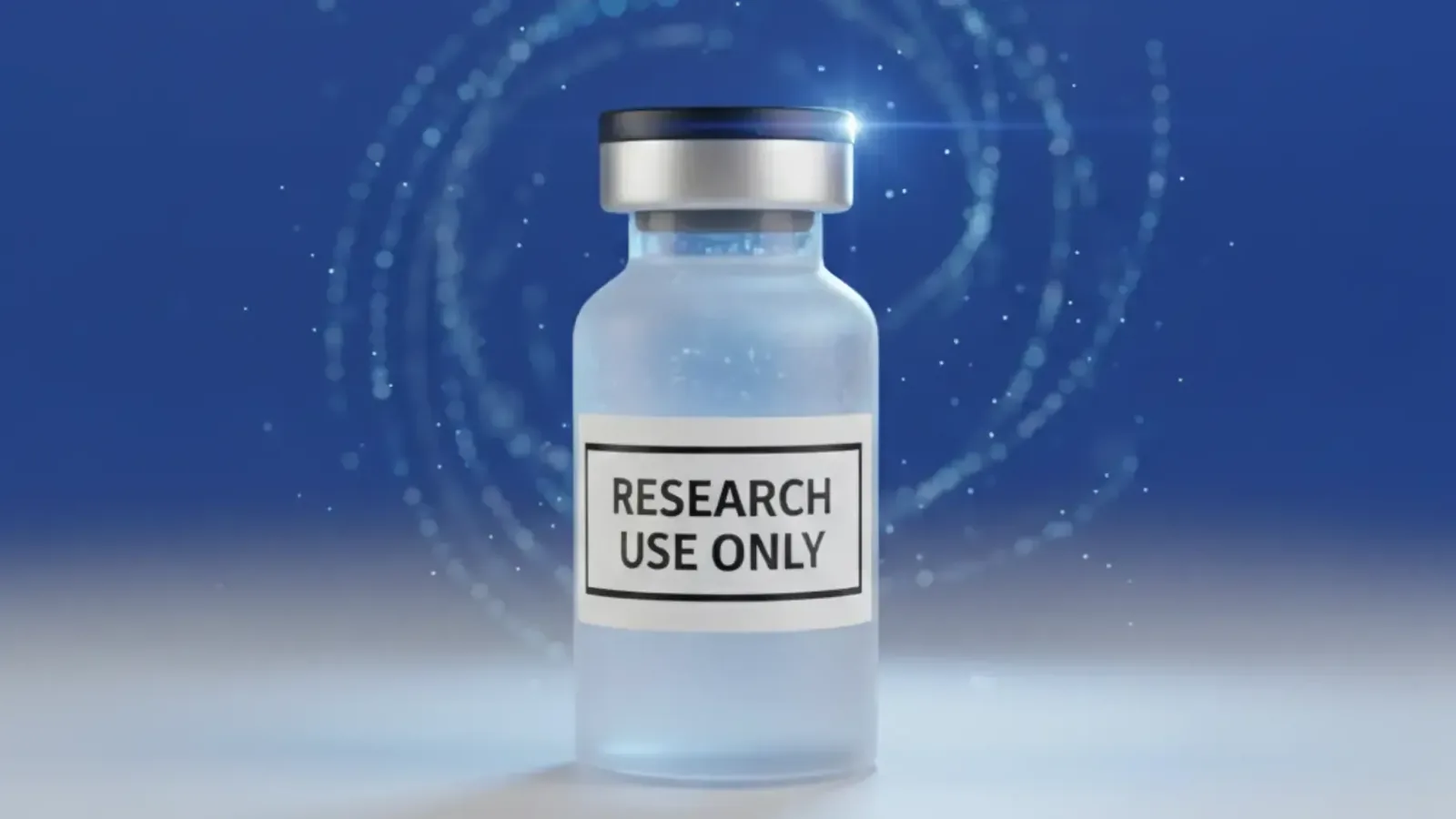
Learn what "research only" means on peptide labels, why vendors use this language, and how to avoid common misunderstandings about compliance terminology.

· 8 min read
Peptide calculators often produce different results. Learn what assumptions, rounding methods, and input fields cause these variations.

· 8 min read
Learn when to experiment with new interventions versus optimizing existing protocols in your biohacking practice for better health outcomes.

· 6 min read
Discover the cognitive biases affecting peptide decisions. Learn why confirmation bias, authority bias, and overgeneralization lead to poor judgment.

· 11 min read
Experienced biohackers rely on decision frameworks, not copied protocols or endless data. Learn to evaluate risk, track the right metrics, and avoid decision fatigue.
· 9 min read
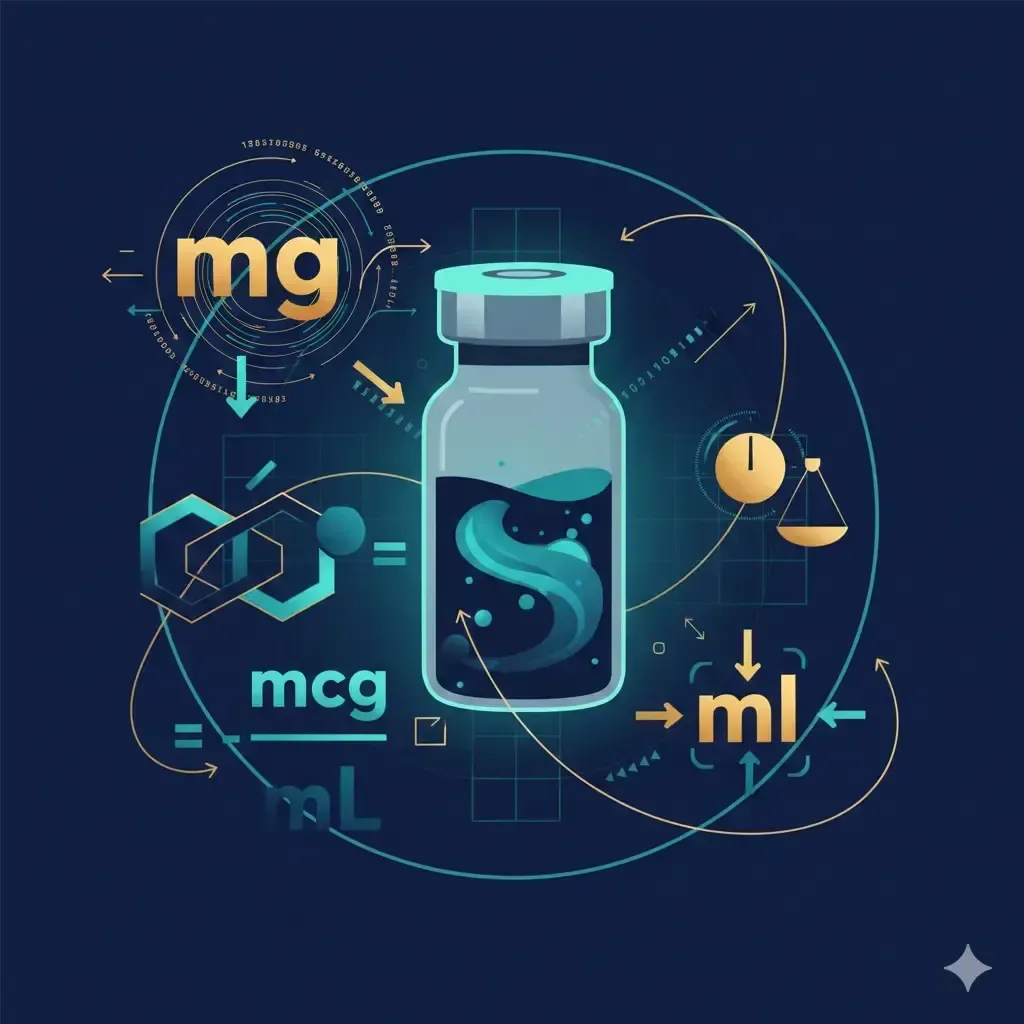
Peptide dosing errors usually come from math, not peptides. Learn how mg, mcg, mL, and concentration work together before using a calculator.

· 7 min read
Learn how to design a biohacking research protocol using a clear N=1 framework. Define one outcome, track consistently, and reduce bias in self-experimentation.
· 7 min read
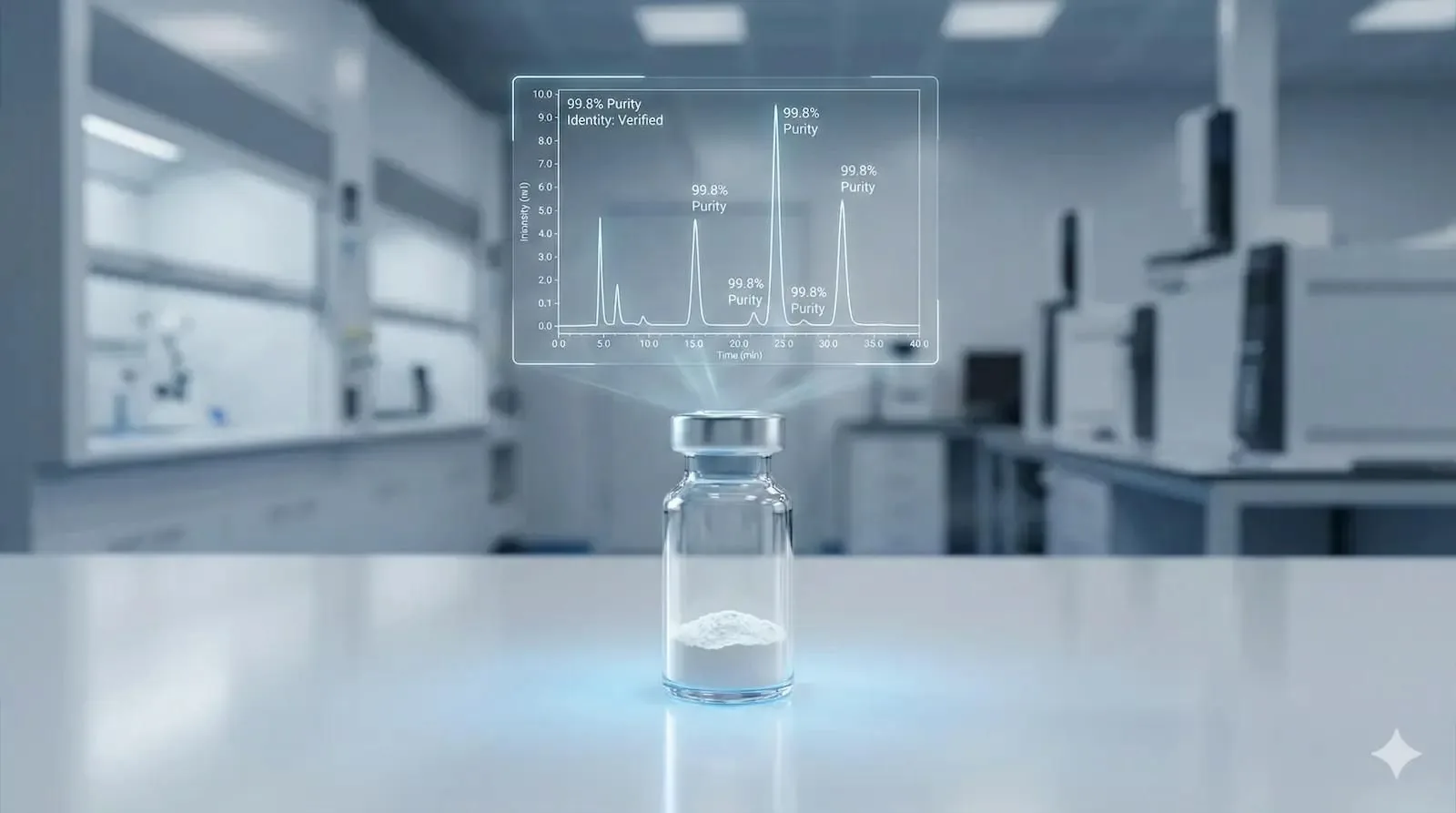
Learn what third-party testing for peptides actually verifies, what it doesn’t prove, and how to evaluate COAs and testing claims with confidence.

· 9 min read
Learn how to inject peptides safely: step-by-step subcutaneous technique, where to inject (stomach and injection sites), how to prepare your dose, and safety tips.

· 23 min read
Evidence-based guide to peptides for skin repair, collagen production, and anti-aging. Learn protocols, dosing, and safety for GHK-Cu, BPC-157, Matrixyl, and more.
· 23 min read
GLP-1 agonists like Semaglutide and Tirzepatide are reshaping peptide weight loss research. This covers mechanisms, real protocol structures, and what the evidence actually supports.

· 18 min read
Discover how hair growth peptides like GHK-Cu promote regeneration through proven mechanisms. Evidence-based guide to peptide treatments for thinning hair.

· 25 min read
What RFK Jr. has actually done on peptides, what the FDA changed in 2026, the July PCAC vote results, and the full timeline through 2027, with primary sources.

· 22 min read
Learn to calculate your optimal PT-141 dose for sexual wellness. Evidence-based Bremelanotide dosing guidelines, reconstitution instructions, and safety protocols.

· 26 min read
Which peptides U.S. compounding pharmacies can legally sell in 2026, how the 503A and 503B rules work, and what the April Category 2 removals and the July PCAC vote did and did not change.
· 9 min read
Bacteriostatic vs sterile water for peptide reconstitution: what to use, why benzyl alcohol matters, and how to store it safely for 28 days.
· 20 min read
TB-500 vial math for 2, 5 and 10 mg, why TB-500 is not thymosin beta-4, what the human trials actually used, and the July 2026 FDA advisory review.

· 10 min read
Peptides for injury recovery: what the research shows on BPC-157, TB-500, and GHK-Cu for tissue repair, plus stacking considerations and precautions.
· 13 min read
BPC-157, TB-500, Ipamorelin, and MK-677 are the peptides serious athletes actually use. See how they apply to injury recovery, muscle growth, and endurance performance.
· 16 min read
Learn what peptides are, how they work, and their applications in health and skincare. Evidence-based guide to peptide types, safety, and medical uses.
· 10 min read
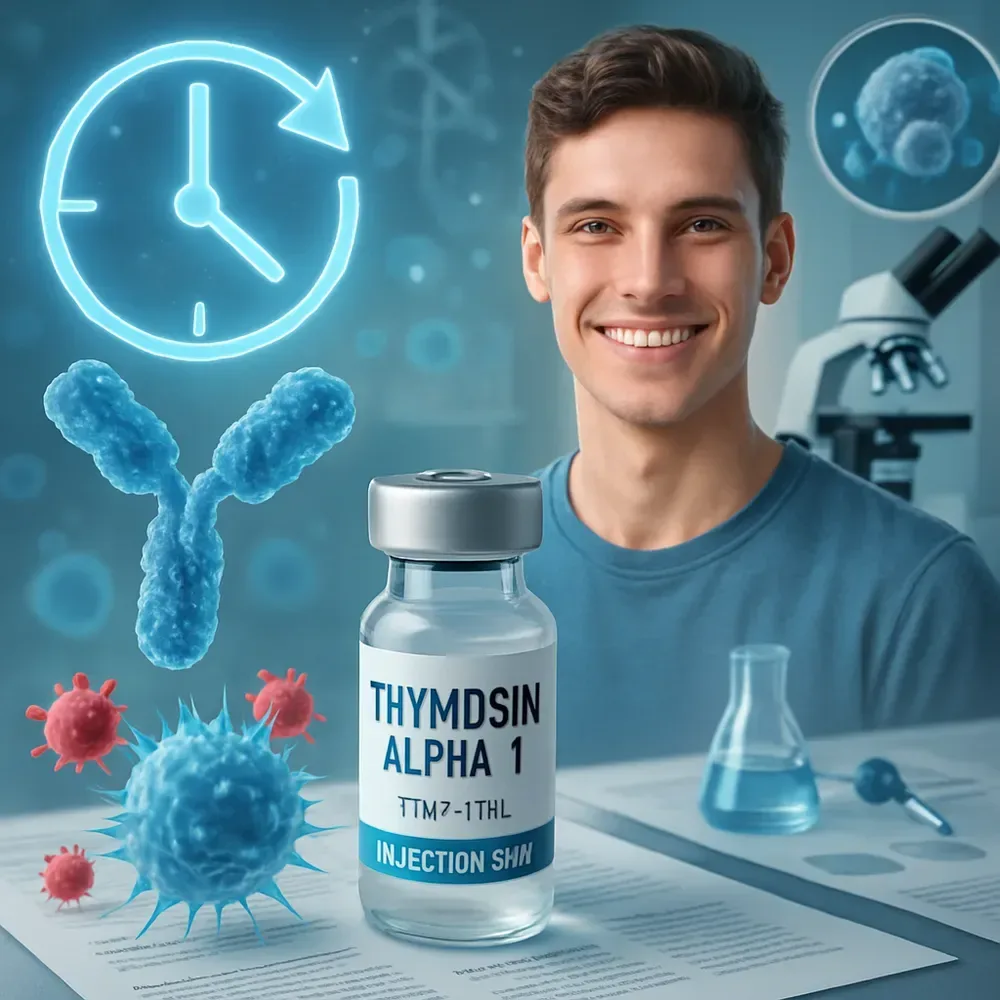
Discover the immune-boosting benefits of Thymosin Alpha-1, along with dosing protocols. Complete guide to this powerful peptide therapy.
· 17 min read
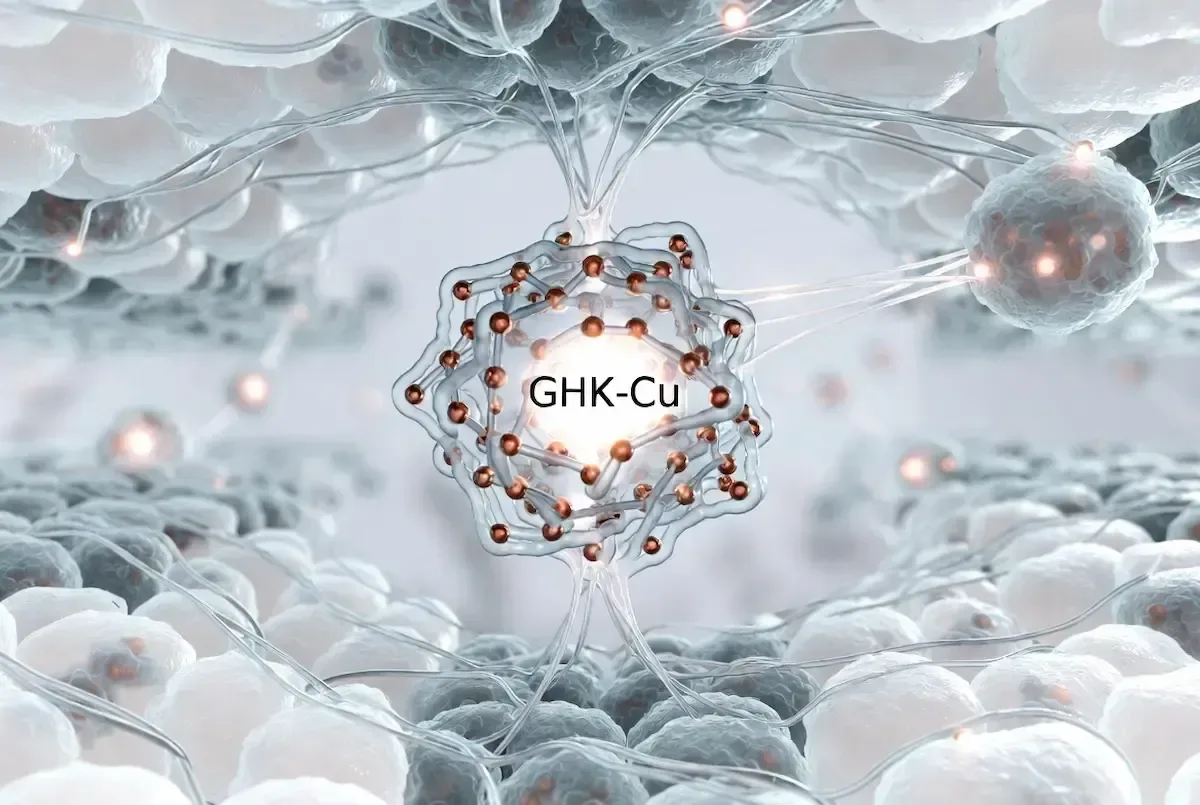
Little-known copper peptide shot boosts collagen, repairs skin, and helps biohackers slow visible aging, with promising support from emerging research.

· 10 min read
Discover why tech moguls spend millions on anti-aging but swear by ancient sauna therapy. The cognitive benefits that give millionaires their edge.

· 15 min read
Discover how testosterone enhances mitochondrial function to combat aging. Science-backed biohacks to optimize for energy, cognition, and vitality, without unnecessary TRT.

· 13 min read
Epithalon dosing timing, NAD+ stacking, and 10-20 day cycling protocols for telomere protection and circadian repair. Biohacker-tested strategies for 2026.

· 13 min read
Discover why women lose their hourglass figure after 40 and science-backed strategies to reclaim your curves naturally. Hormones, diet & exercise tips.

· 9 min read
Discover how peptide therapy healed my dog Zeus after conventional treatments failed. The science behind peptides for pets + our life-changing results.
· 19 min read
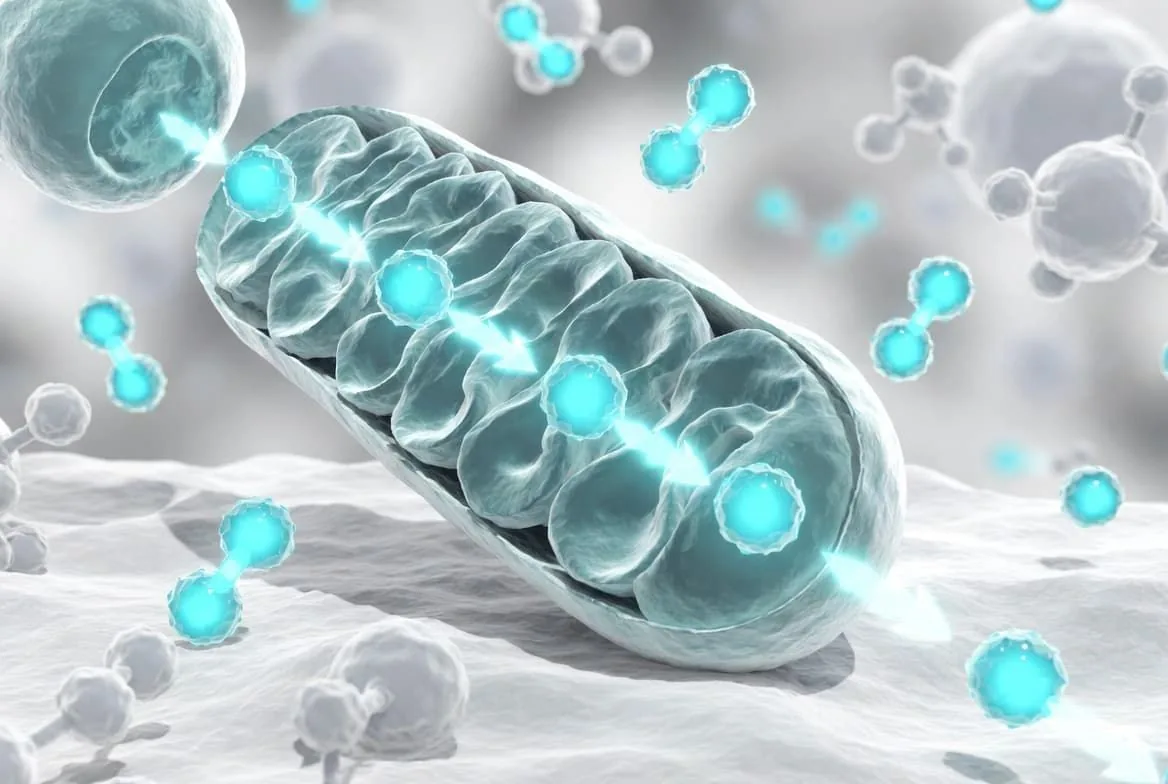
NAD+ is your cells' powerhouse molecule. Discover how it fuels aging, energy & DNA repair, plus science-backed ways to optimize NAD+ levels for longevity and peak performance.

· 8 min read
Ozempic mania explained: How GLP-1 drugs became a global phenomenon, and what biohackers need to know. Full analysis inside.
· 4 min read
From chronic pain and surgeries to healing with peptides: discover how one man used biohacking, BPC-157, and TB-500 to rebuild his health from the inside out.
This blog is for biohackers, athletes, wellness enthusiasts, and anyone seeking preventive healthcare through peptide protocols. Whether you're a healthcare professional exploring regenerative medicine options, a practitioner guiding clients through healing and injury recovery, or an individual optimizing energy, sleep, mental health, muscle growth, and immune system resilience, you'll find evidence-based insights here.
Our content covers peptide therapy alongside nutrition, lifestyle optimization, and inflammation control to support holistic wellness and longevity. Always consult qualified healthcare providers when beginning any peptide protocol.
Gain insights grounded in the latest research, clinical studies, and real-world biohacker experiences. Learn to make informed decisions about peptide protocols tailored to your unique biology and health goals.
Our mission is to make peptide therapy practical for everyday life, whether you're managing work stress, improving daily energy levels, supporting your fitness routine, or addressing the natural changes that come with aging. We provide actionable guidance you can apply to your everyday health decisions.
We're committed to peptide education through accessible, science-backed content. Whether you're new to biohacking or continuing your education in regenerative medicine, our blog serves as your ongoing learning resource, breaking down complex peptide science into practical knowledge you can trust and apply.
This blog explores the cutting-edge intersection of biohacking and peptide science. Whether you're optimizing for athletic performance, metabolic health, injury recovery, or longevity, you'll find evidence-based insights and actionable protocols.
Key areas we cover:
If you're new to the space, start with our foundational guide on what are peptides and how they work. Acting as signaling molecules, they influence a wide variety of biological functions from hormone regulation and immune response to tissue repair and metabolic optimization.
Within the biohacking community, peptides have earned recognition as potent tools for enhancing health, performance, and longevity. By mimicking naturally occurring biological processes, synthetic peptides offer targeted ways to fine-tune your body's systems with precision.
Peptide therapy leverages these molecular messengers to enhance both physical and cognitive performance. These short chains of amino acids act as signaling molecules, helping the body regulate physiological functions like:
From boosting mitochondrial efficiency to stimulating muscle growth, peptide protocols are tailored to individual goals and biological needs. Popular therapies include BPC-157 for injury repair, Thymosin Alpha-1 for immune modulation, and Semaglutide for metabolic support.
Your body is more than a vessel. It's a responsive system capable of transformation through precise interventions. Biohacking empowers you to understand and influence your biology using science-backed strategies, and peptides are among the most promising tools in this endeavor.
Peptides communicate with cells throughout the body, influencing processes such as:
Biohackers often report increased energy levels and faster post-workout recovery with peptides like BPC-157 or TB-500. These compounds support cellular repair and tissue regeneration, enabling the body to bounce back quicker from physical stress while reducing the risk of chronic injury or fatigue
Wellness is more than the absence of disease. It's a proactive approach to optimizing every system in your body. Through peptide therapy, biohackers achieve targeted wellness outcomes: improved sleep quality, enhanced recovery, balanced hormones, and sustained energy. Wellness-focused peptides like BPC-157 for tissue repair, Thymosin Alpha-1 for immune health, and Semaglutide for metabolic wellness empower you to take control of your health journey with precision and purpose.
Biohacking is a fast-evolving frontier, and staying ahead means mastering the art of continuous learning. Whether you're diving into the latest peptide research or experimenting with personalized protocols, effective study habits are key to transforming information into actionable wisdom. Prioritize peer-reviewed science, engage with biohacking forums, and use tools like Notion or Obsidian to build your personalized knowledge base.
Biohacking isn't just a trend, it's a revolution in how we understand and optimize the human experience. At the core of this transformation lies the power of informed experimentation. Peptides are rapidly gaining momentum in the biohacking community for their targeted effects on everything from muscle growth and fat loss to cognitive enhancement and recovery.
Biolongevity Labs supplies many of the compounds these posts cover, from BPC-157 and TB-500 through the Khavinson bioregulators. Which of them are in stock shifts over time, so the catalog is the place to confirm before following a protocol from here. Project Biohacking's Biolongevity Labs coupon code is PROBIO15, applied at checkout.
Its certificates are published per batch. What they cover is explained in our review of Biolongevity Labs.
Ameano Peptides covers several of the same research lines, with BPC-157, TB-500 and KPV on the recovery side and Semax, Selank and MOTS-c elsewhere in its catalog. It is based in Little Rock, Arkansas, and publishes a certificate library alongside those listings. Project Biohacking's code PROBIO applies at the Ameano Peptides checkout.
Metabolic health is the foundation of sustained energy and vitality. Peptides offer targeted support for insulin sensitivity, glucose regulation, and fat metabolism. GLP-1 receptor agonists like Semaglutide and Liraglutide improve metabolic function while promoting weight loss. Growth hormone-releasing peptides such as CJC-1295 and Ipamorelin enhance energy production by supporting natural hormone balance and lean muscle development.
For biohackers focused on energy optimization, peptides that influence mitochondrial function and cellular metabolism provide measurable improvements in daily stamina, mental clarity, and physical performance. Combined with proper nutrition and sleep, these protocols create a comprehensive approach to metabolic wellness.
Aging isn't just about wrinkles or gray hair, it's a complex, biological process involving cellular damage, DNA degradation, and hormonal shifts. Peptides play a crucial role in reversing or slowing down aspects of the aging process. Compounds like Thymosin Beta-4, Epitalon, and BPC-157 are gaining attention for their ability to support tissue regeneration, telomere repair, and overall vitality. By modulating cellular activity, these peptides may help extend health-span keeping both mind and body sharp for longer.
Biohacking with peptides empowers you to take control of your biology in a highly targeted way. Whether you're seeking enhanced focus, faster recovery, or improved longevity, peptides offer a cutting-edge advantage for personal optimization. Select peptides support circadian rhythm balance and cortisol regulation, promoting deeper, more restorative sleep and improved stress resilience.
Peptides like Epitalon and Thymosin beta-4 target cellular renewal, DNA repair, and immune modulation offering promising benefits in the pursuit of healthy aging and extended vitality.
Enhanced Sleep Quality: Select peptides support circadian rhythm balance and cortisol regulation, promoting deeper, more restorative sleep and improved stress resilience which are key pillars for mental and physical well-being.
While peptides aren't direct energy sources, some influence energy levels by affecting metabolism and hormone regulation. Growth hormone-releasing peptides like GHRP-6 and CJC-1295 promote muscle growth and fat metabolism, indirectly supporting energy production. For general energy support, balanced nutrition, adequate sleep, and exercise remain key.
Athletes across various sports, including cycling, weightlifting, track and field, and bodybuilding, have used peptide hormones to enhance performance, recovery, and physical appearance. Common peptides include human growth hormone (hGH) for muscle growth, EPO for endurance, and IGF-1 for muscle repair. However, their use without medical need is prohibited by anti-doping agencies.
Semaglutide and other GLP-1 receptor agonists like Liraglutide improve insulin sensitivity and promote significant weight loss. CJC-1295 and Ipamorelin stimulate growth hormone release to support fat metabolism and lean muscle gain. Tesamorelin reduces visceral fat and improves insulin sensitivity. Always consult a healthcare professional before beginning peptide therapy.
IGF-1 LR3 and CJC-1295 stacked with Ipamorelin are often considered most effective for muscle growth due to their ability to boost natural growth hormone and IGF-1 levels. BPC-157 and TB-500, while not directly anabolic, aid in muscle recovery and injury repair, enabling better gains from training.
Athletes use peptide hormones to increase muscle growth, improve recovery, enhance endurance, reduce body fat, and counteract aging effects. However, their use for performance enhancement is often banned in sports and carries health risks. Such use is considered unethical and closely monitored by anti-doping agencies.
Effective biohacking strategies combine peptide protocols with targeted nutrition, resistance training, and lifestyle optimization to accelerate weight loss and improve body composition. By integrating approaches like intermittent fasting, stress management, quality sleep, and specific peptides that support fat metabolism and muscle preservation, biohackers create comprehensive programs for sustainable fitness results.