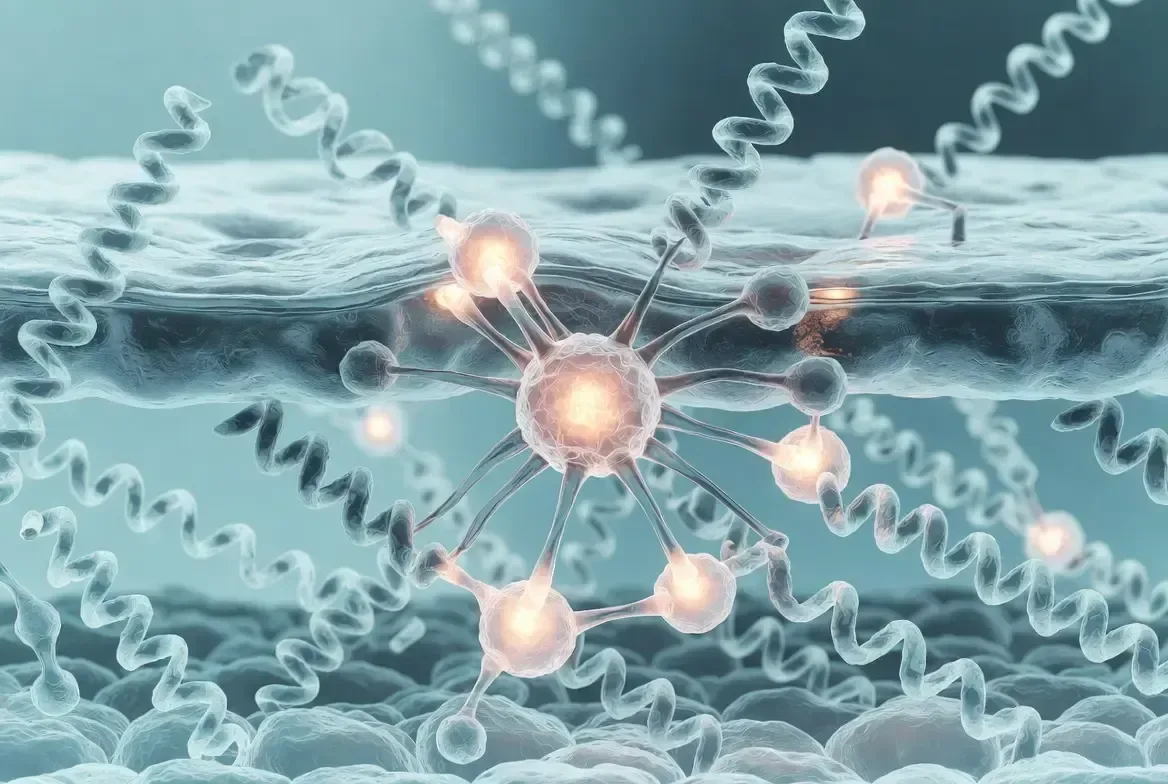
KPV Peptide: Benefits, Dosage, Gut Health, and Anti-Inflammatory Guide

By Jeff NunnPublished · Updated · 17 min read

A complete guide to KPV peptide research, including gut health benefits, dosage protocols, safety, and anti-inflammatory mechanisms
What Is KPV Peptide?
KPV peptide is a short chain of three amino acids: Lysine (K), Proline (P), and Valine (V). That makes it a tripeptide, one of the simplest peptide structures studied in modern research. Despite its small size, KPV has drawn steady scientific attention for its biological activity.
KPV is not a standalone hormone. It is the last three amino acids (positions 11 through 13) at the C-terminal end of a larger signaling molecule, alpha-melanocyte-stimulating hormone, often written as α-MSH.1,5
KPV keeps the anti-inflammatory effect of α-MSH but lacks its effect on skin pigment.1 A 2008 review says that split is why KPV was put forward as an alternative for anti-inflammatory therapy.1 For contrast, Melanotan 1 is a synthetic α-MSH analog.12
How Does KPV Peptide Work?
Most of what is known about how KPV works comes from cell cultures and mouse models of colitis.3,5 The mechanisms below are the ones the published studies actually measured.
Key mechanisms of action include:
- Entry through the PepT1 transporter. PepT1 normally carries small peptides into cells of the small intestine, and inflammation switches it on in the colon.3 In cell studies, KPV entered intestinal epithelial cells and immune cells through this transporter.3
- Inhibition of NF-kB and MAP kinase signaling. At nanomolar concentrations, KPV inhibited activation of both pathways in lab-grown human intestinal cells and T cells.3 Both are inflammatory signaling pathways inside the cell.3
- Lower pro-inflammatory cytokine output. Treated cells released less of the signaling molecules that drive inflammation, and in mouse colitis the colon tissue made less cytokine mRNA.3 Oral KPV delivered in nanoparticles also lowered TNF-alpha in a mouse ulcerative colitis model.4
- Melanocortin-1 receptor (MC1R), only in part. α-MSH signals by binding to the melanocortin-1 receptor, MC1R.14 In mice with a nonfunctional MC1R, KPV still rescued all treated animals from death during colitis, so its effects seem at least partly independent of MC1R signaling.5
A lab study notes that anti-inflammatory drugs can reduce the body's killing of germs.6 In that study, α-MSH peptides did not reduce the ability of human neutrophils to kill bacteria and yeast; they increased it.6
KPV Peptide Benefits: What Research Suggests
Published KPV studies have used cell models and animals, mostly mouse models of colitis.3,5 FDA has found no human exposure data on KPV, so the points below describe what the preclinical studies found, not proven benefits in people.15
Anti-inflammatory effects
The best-documented property of KPV is its ability to reduce intestinal inflammation in mouse colitis models.3,5 In mice with chemically induced colitis, KPV-treated animals had fewer inflammatory cells in the colon, lower myeloperoxidase activity (a marker of neutrophil infiltration), and faster weight recovery.5
Gastrointestinal support
KPV has been tested mostly in mouse models of colitis.3,5 In one mouse study, KPV given in drinking water reduced colitis.3 A second group found it reduced inflammation in two mouse colitis models.5 A third study packaged KPV in nanoparticles and found it sped healing of the colon lining in mice.4 Another gut peptide under study is vasoactive intestinal peptide in the gut, which helps regulate intestinal motility and secretion.16
Skin health applications
The case for KPV in skin comes mostly from its parent hormone.1 α-MSH reduced inflammation in animal models of irritant and allergic contact dermatitis, and the dermatology group behind much of this work names inflammatory skin disease as a target for KPV itself.1,2 No clinical trials of KPV in human skin conditions were found in PubMed or ClinicalTrials.gov.15
In a 2008 review, researchers called KPV suitable for future treatment of immune-mediated inflammatory skin disease.1 Our complete guide to peptides for skin covers GHK-Cu, BPC-157, and Matrixyl alongside KPV.
Getting KPV through the skin is its own problem. On its own it did not cross human skin in measurable amounts in one lab study, but microneedles combined with a mild electrical current (iontophoresis) raised delivery sharply.7
Infection and wound settings
Microbes and excess inflammation both play a role in poor healing of chronic wounds.17 In lab tests, KPV and α-MSH reduced the growth of Staphylococcus aureus and Candida albicans.6 That mix of anti-inflammatory and antimicrobial activity is why the researchers proposed these peptides for conditions where infection and inflammation occur together.6 For readers comparing healing peptides, the Wolverine Protocol stack of BPC-157 and TB-500 is the combination most often discussed for tissue repair.
Immune system regulation
A review describes α-MSH peptides as a class of anti-inflammatory and immunomodulating drugs, and traces most of that activity to KPV.2 That profile puts KPV in the same conversation as Thymosin Alpha-1, another peptide described as an immunomodulator.18
KPV Peptide Anti-Inflammatory Action
KPV's anti-inflammatory effects have been shown in cells and in mouse models of colitis.3,5 In the studies above, it acted at several points in the inflammatory process:
- It inhibited NF-kB and MAP kinase signaling in lab-grown human cells3
- It reduced inflammatory cell infiltrates in the colons of mice with colitis5
- It lowered pro-inflammatory cytokine secretion in cells and cytokine mRNA in mice with colitis3
- It helped the colon lining heal in mouse ulcerative colitis4
- In a mouse model of colitis-associated colon cancer, it reduced both inflammation and tumor formation8
One KPV study names adverse effects as a major challenge in ulcerative colitis treatment.4 Corticosteroids are widely used for IBD, and their side effects are well recognized.19
KPV Peptide Uses Being Studied
KPV peptide is a research compound. It is not an FDA-approved drug, FDA says it has found no human exposure data for KPV, and a ClinicalTrials.gov search found no registered KPV trials.15,20
Areas of active investigation include:
- Inflammatory bowel disease (IBD). The largest body of work, based on several mouse models of colitis.3,5
- Oral gut-targeted delivery. Digestive enzymes break peptides down in the gut, so researchers are building carriers that release KPV in the colon, such as hyaluronic acid nanoparticles inside a hydrogel.21,9,4
- Colitis-associated colon cancer. KPV in drinking water reduced tumor formation in mice with chronic colitis.8
- Delivery through the skin. Microneedle and iontophoresis methods for getting KPV past the outer skin barrier, tested on human skin samples in the lab.7
None of these uses is FDA-approved, and FDA reports no human exposure data for KPV.15 Limitless Biotech lists KPV as a vial and as capsules, and in a gastro research blend alongside BPC-157 and N-Acetyl Larazotide. The Limitless Biotech discount code that Project Biohacking carries is PROBIO15, and it takes 15 percent from the order at checkout.
Ascension Peptides lists KPV at 10mg as a single vial. It also carries BPC-157 at 10mg, one of the compounds in the gastro blend above, so both can come from one order. Ascension's KLOW 80mg listing names KPV 10mg among its four compounds, and Project Biohacking's coupon code for Ascension Peptides is PROBIO20, 20 percent off at checkout.
BioEdge Research Labs has two KPV listings on its product grid, one titled KPV and one titled KPV 500mcg (60 Count). Its four-compound blend is sold under the name KLOW: GHK-Cu, KPV, BPC-157 and TB-500, and entering the BioEdge Research Labs promo code PROBIO15, which Project Biohacking lists, cuts 15 percent from the total.
KPV Peptide Dosage: What the Research Shows
No human dose of KPV has been established, and a ClinicalTrials.gov search finds no registered KPV trials.20 The published studies used cells, human skin samples in the lab, or mice.3,7,8
In several mouse colitis studies, KPV was given in drinking water.3,8 One study used 100 µmol/L KPV in the water during each colitis cycle, which reduced inflammation and tumor formation in mice.8 An earlier study also gave KPV orally in drinking water and reduced colitis in two mouse models.3 Animal doses like these do not convert directly to a human dose.22
FDA has not identified any human exposure data on KPV by injection or any other route.15 The free peptide dosage calculator converts vial size, bacteriostatic water volume, and target dose into exact unit measurements on an insulin syringe.
Oral KPV faces a particular obstacle: peptides taken by mouth are broken down by digestive enzymes in the gut.21 That is one reason researchers are testing colon-targeted carriers for KPV.9,4 In mice, KPV given in drinking water still reduced colitis, and in cell studies it entered cells through PepT1, which increases in the inflamed colon.3
KPV peptide use should always be approached under the guidance of a qualified healthcare professional. Self-administration without medical oversight is not recommended.
KPV Peptide Safety and Side Effects
There are no published human safety data for KPV.15 What exists comes from cell and animal studies.
What current research indicates:
- KPV-loaded nanoparticles appeared nontoxic to intestinal cells in culture4
- Mouse studies that gave KPV in drinking water reported less colitis and fewer tumors; their abstracts do not report toxicity data3,8
- α-MSH peptides did not weaken neutrophil killing of bacteria and yeast in lab tests, which matters for a compound meant to calm inflammation6
Factors that affect safety outcomes:
- Source quality. Peptides bought from unregulated online sellers have tested low in purity and carried endotoxin, a bacterial contaminant.23 Knowing what third-party testing actually verifies (and what it doesn't) is the single most useful filter when evaluating a vendor's Certificate of Analysis.
- Formulation integrity. Peptides can degrade during storage, and a 2026 stability study notes this can reduce efficacy and compromise safety.12
- Individual health status. Underlying chronic conditions, medications, and personal sensitivities can all influence how someone responds.
- Route of administration. Topical, oral, and injectable forms each carry different considerations.
FDA says it lacks important safety information on KPV, including whether it would harm people, so anyone considering it should consult a knowledgeable healthcare provider.15 This is especially important for patients with chronic conditions, those taking other medications, or anyone pregnant or breastfeeding. Sourcing matters as much as supervision. Our list of research peptide suppliers shows the companies we cover, and the rating methodology page explains how each one is assessed.
KPV Peptide Research: Current State of the Science
The research on KPV is real but narrow. Much of it comes from mouse studies of colitis and colitis-associated cancer.3,8
What the research has explored so far:
- How KPV enters cells through PepT1 and inhibits NF-kB signaling in lab-grown cells3
- Effects on colitis in several mouse models3,4,5
- Prevention of colitis-associated tumors in mice8
- Colon-targeted oral delivery systems4,9
- Delivery through human skin in the lab7
- Antimicrobial activity against bacteria and yeast in lab tests6
Gaps in the current research:
- No human clinical trials have been published or registered20
- No human safety data exist15
- FDA has found no human exposure data for KPV by any route15
- FDA has no human exposure data on KPV for any route, so how much reaches the bloodstream in people is not known15
- FDA says it lacks important information on any safety issues KPV raises in people15
How KPV Peptide Compares to Related Compounds
KPV is part of a larger family of melanocortin-derived peptides. Its place within that family helps explain what makes it distinctive.
Key distinguishing features:
- Compared to full α-MSH: KPV keeps the anti-inflammatory effects without the pigment effects1
- Compared to KdPT: KdPT is a modified form of KPV that matches a short stretch of the IL-1 beta protein.1 In lab-grown human oil-gland cells, it reduced IL-1 beta driven inflammatory signals and did not bind MC1R11
- Compared to traditional anti-inflammatory medications: No KPV trials are registered on ClinicalTrials.gov, while corticosteroids are widely used in IBD and their side effects are well recognized19,20
Next steps for KPV research
If you're moving from reading to applying, the free peptide dosage calculator works out reconstitution and injection volumes from your vial size and target amount. It handles the unit conversions where most mixing errors happen.
KPV Peptide FAQs
What is KPV peptide?
How does KPV peptide work?
What are the benefits of KPV peptide?
In mouse studies, KPV reduced colitis,[3][5] helped the colon lining heal,[4] and lowered colitis-associated tumor formation.[8] In lab tests, α-MSH peptides including KPV inhibited Staphylococcus aureus and Candida albicans.[6] These are preclinical findings; FDA has found no human exposure data on KPV.[15]
What is the typical KPV peptide dosage?
Is KPV peptide safe?
What is KPV peptide used for in research?
Does KPV peptide cause side effects?
Side effects of KPV in people are unknown because FDA has found no human exposure data on it.[15]
Is KPV peptide the same as α-MSH?
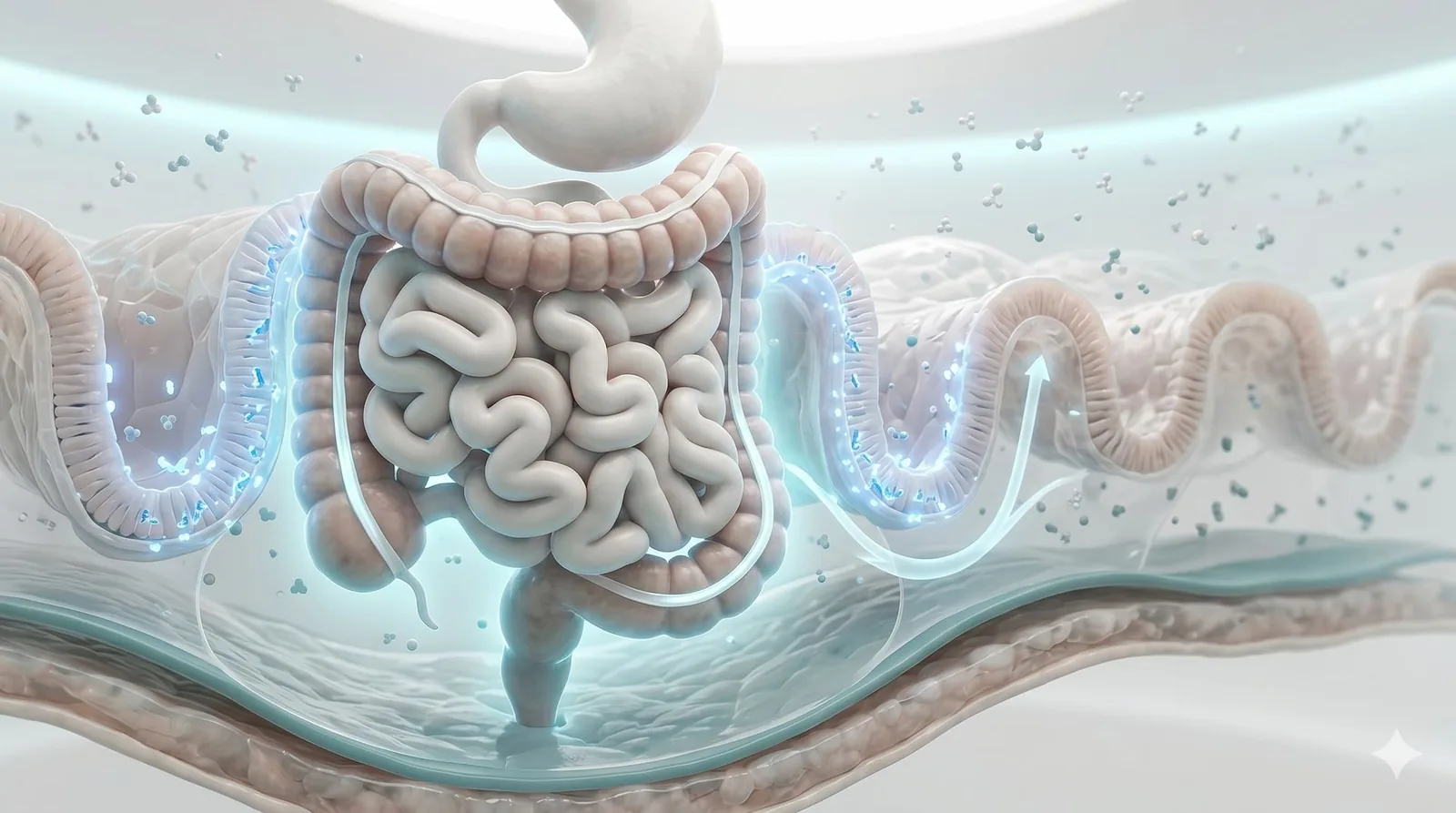
How does KPV affect the gut?
In mouse colitis models, KPV reduced inflammation and inflammatory cell infiltration in the colon, and KPV in nanoparticles sped healing of the colon lining.[4][5] Cell studies found that KPV enters cells through the PepT1 transporter, which is induced in the colon during IBD.[3] The authors call KPV a possible therapy for IBD, based on this animal work.[5]
Can KPV peptide help with infection-related inflammation?
Possibly, though only lab data exist. KPV and α-MSH slowed the growth of Staphylococcus aureus and Candida albicans in lab tests, and α-MSH peptides did not weaken neutrophil killing of these microbes.[6] That combination of antimicrobial and anti-inflammatory activity has not been tested in people.[15]
References
- Brzoska T, Luger TA, Maaser C, et al. Alpha-melanocyte-stimulating hormone and related tripeptides: biochemistry, antiinflammatory and protective effects in vitro and in vivo, and future perspectives for the treatment of immune-mediated inflammatory diseases. Endocr Rev. 2008;29(5):581-602.
- Luger TA, Brzoska T. Alpha-MSH related peptides: a new class of anti-inflammatory and immunomodulating drugs. Ann Rheum Dis. 2007;66 Suppl 3:iii52-5.
- Dalmasso G, Charrier-Hisamuddin L, Nguyen HT, et al. PepT1-mediated tripeptide KPV uptake reduces intestinal inflammation. Gastroenterology. 2008;134(1):166-78.
- Xiao B, Xu Z, Viennois E, et al. Orally targeted delivery of tripeptide KPV via hyaluronic acid-functionalized nanoparticles efficiently alleviates ulcerative colitis. Mol Ther. 2017;25(7):1628-1640.
- Kannengiesser K, Maaser C, Heidemann J, et al. Melanocortin-derived tripeptide KPV has anti-inflammatory potential in murine models of inflammatory bowel disease. Inflamm Bowel Dis. 2008;14(3):324-31.
- Cutuli M, Cristiani S, Lipton JM, et al. Antimicrobial effects of alpha-MSH peptides. J Leukoc Biol. 2000;67(2):233-9.
- Pawar K, Kolli CS, Rangari VK, et al. Transdermal iontophoretic delivery of lysine-proline-valine (KPV) peptide across microporated human skin. J Pharm Sci. 2017;106(7):1814-1820.
- Viennois E, Ingersoll SA, Ayyadurai S, et al. Critical role of PepT1 in promoting colitis-associated cancer and therapeutic benefits of the anti-inflammatory PepT1-mediated tripeptide KPV in a murine model. Cell Mol Gastroenterol Hepatol. 2016;2(3):340-357.
- Xiao B, Merlin D. Oral colon-specific therapeutic approaches toward treatment of inflammatory bowel disease. Expert Opin Drug Deliv. 2012;9(11):1393-407.
- Mastrofrancesco A, Kokot A, Eberle A, et al. KdPT, a tripeptide derivative of alpha-melanocyte-stimulating hormone, suppresses IL-1 beta-mediated cytokine expression and signaling in human sebocytes. J Immunol. 2010;185(3):1903-11.
- Chawathe A, Sharma N. Investigation of the stability profile of therapeutic α-MSH analogue: Insights from liquid chromatography-high resolution mass spectrometry analysis of afamelanotide. J Pharm Biomed Anal. 2026;272:117362.
- Minder EI, Barman-Aksoezen J, Schneider-Yin X. Pharmacokinetics and Pharmacodynamics of Afamelanotide and its Clinical Use in Treating Dermatologic Disorders. Clin Pharmacokinet. 2017;56(8):815-823.
- Elliott RJ, Szabo M, Wagner MJ, et al. alpha-Melanocyte-stimulating hormone, MSH 11-13 KPV and adrenocorticotropic hormone signalling in human keratinocyte cells. J Invest Dermatol. 2004;122(4):1010-9.
- U.S. Food and Drug Administration. Certain Bulk Drug Substances for Use in Compounding that May Present Significant Safety Risks (KPV entry, nominated but withdrawn). Accessed October 17, 2026.
- Langer I, Jeandriens J, Couvineau A, et al. Signal Transduction by VIP and PACAP Receptors. Biomedicines. 2022;10(2).
- Grice EA, Segre JA. Interaction of the microbiome with the innate immune response in chronic wounds. Adv Exp Med Biol. 2012;946:55-68.
- Guo H, Li R. Thymosin α1 combined with immune checkpoint inhibitors: synergistic remodeling of the tumor immune microenvironment to enhance clinical efficacy and safety. Front Immunol. 2026;17:1762151.
- Al Sulais E, Louis E, Bokemeyer B, et al. Differences in the Adverse Event Burden of Corticosteroid Use in Inflammatory Bowel Disease as Reported Between Adverse Event Reporting Systems and a Patient Questionnaire. J Crohns Colitis. 2025;19(2).
- ClinicalTrials.gov. Search of intervention terms KPV OR lysine-proline-valine; 0 studies found. Searched October 16, 2026.
- Bernkop-Schnürch A. The use of inhibitory agents to overcome the enzymatic barrier to perorally administered therapeutic peptides and proteins. J Control Release. 1998;52(1-2):1-16.
- Nair AB, Jacob S. A simple practice guide for dose conversion between animals and human. J Basic Clin Pharm. 2016;7(2):27-31.
- Ashraf AR, Mackey TK, Vida RG, et al. Multifactor Quality and Safety Analysis of Semaglutide Products Sold by Online Sellers Without a Prescription: Market Surveillance, Content Analysis, and Product Purchase Evaluation Study. J Med Internet Res. 2024;26:e65440.
About the Author
Jeff Nunn is the founder of Project Biohacking. With over 30 years of biohacking practice, he applies decades of self-experimentation methodology to peptide research, dosing math, and vendor evaluation.
Important Disclaimer: The content on Project Biohacking is for educational and informational purposes only and is not intended as medical advice, diagnosis, or treatment. Always consult a qualified healthcare professional before making any changes to your health regimen, starting new supplements, peptides, or protocols. Nothing on this site establishes a doctor-patient relationship, and you use the information at your own risk. Research compounds discussed here are sold for laboratory research purposes only and are not approved for human or veterinary use or consumption.