Pinealon Peptide: Uses, Dosage & Side Effects (2026)

By Jeff NunnPublished · Updated · 19 min read
A research guide to the brain-protective peptide studied for memory, sleep, and aging
What Is Pinealon Peptide?
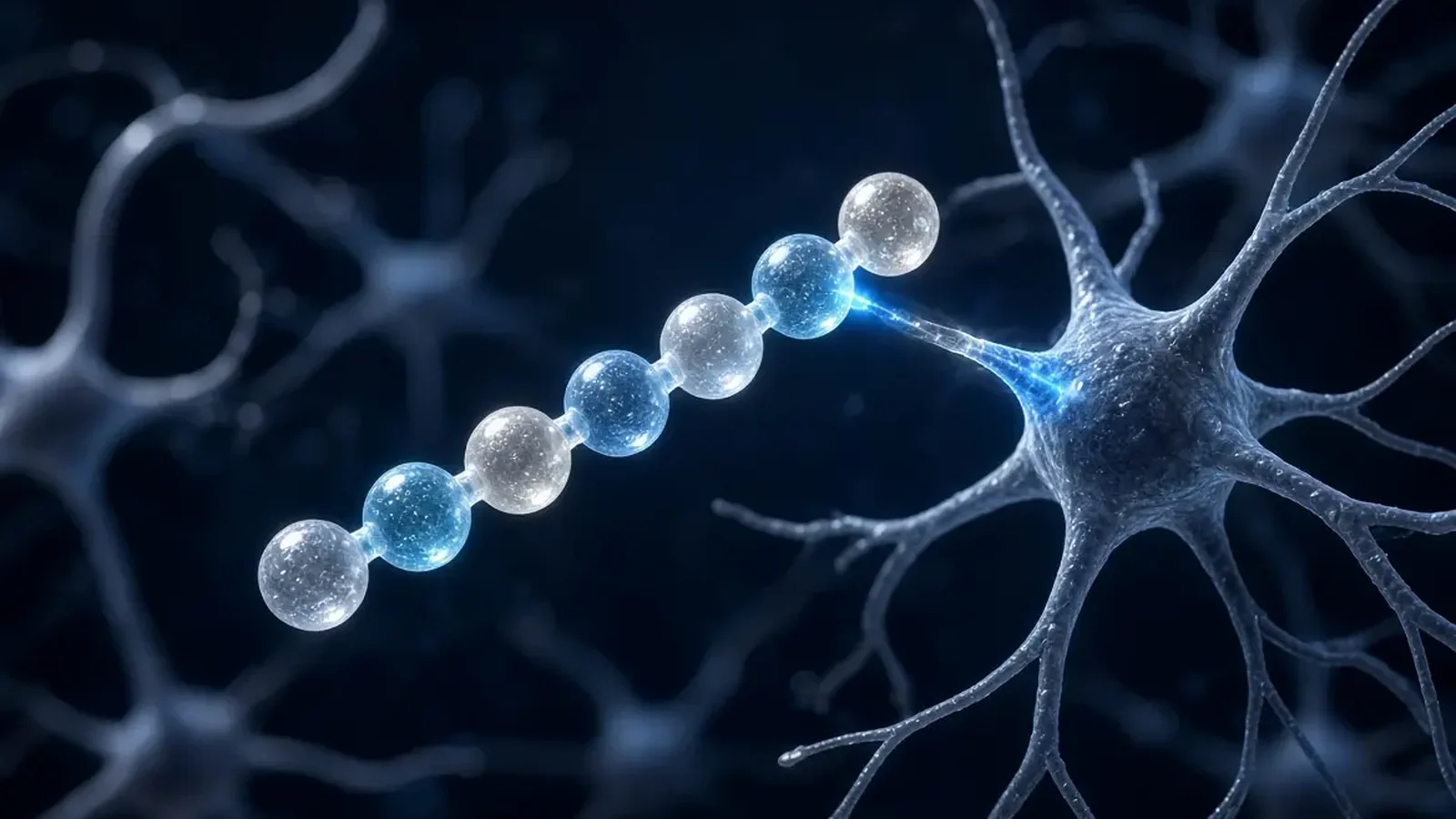
Pinealon is a short synthetic chain of three amino acids: glutamic acid, aspartic acid, and arginine, written in sequence as Glu-Asp-Arg. In research papers it is also called the EDR peptide, from the one-letter codes for those amino acids: E, D, and R.1 It was developed at Russia's St. Petersburg Institute of Bioregulation and Gerontology, and it belongs to a group of short peptide regulators linked to Vladimir Khavinson.2 These compounds are meant to copy control peptides found in human tissue and act on a target organ or system at the cell level.
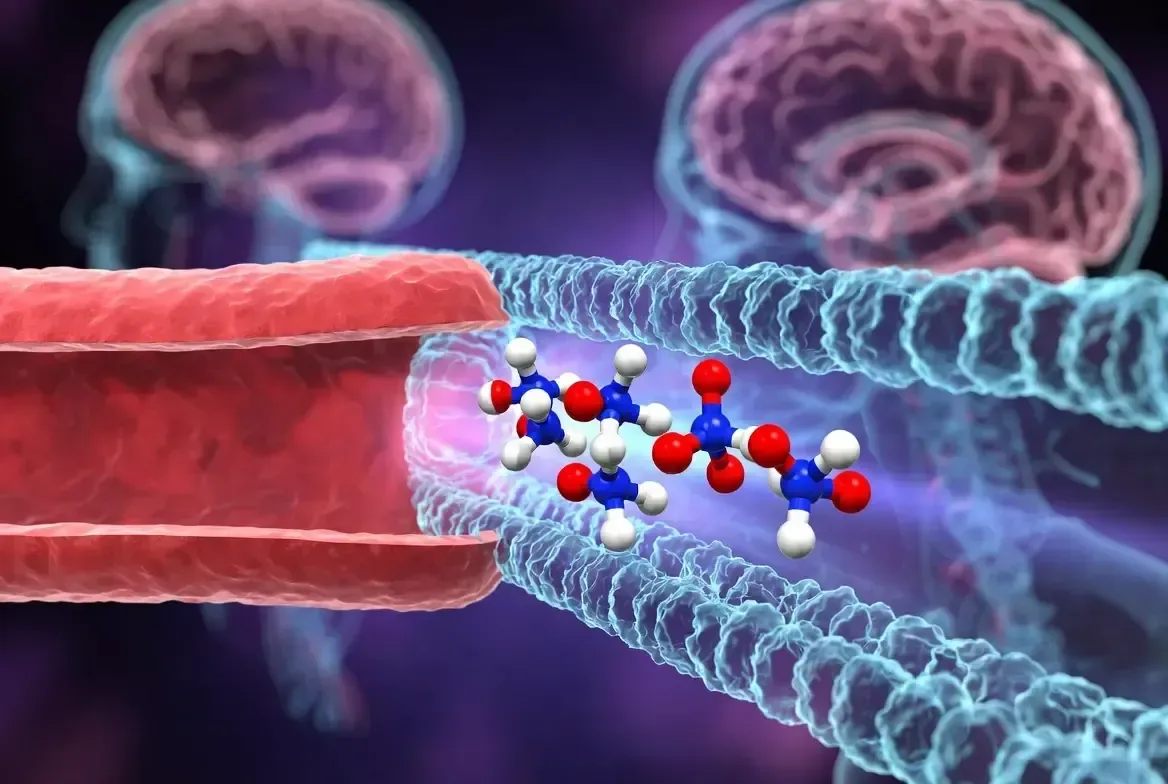
The molecule is small and simple. At three amino acids, it is small enough to get inside cells: in lab work, a fluorescent-tagged version entered human cells and reached the nucleus, where short peptides like it can bind DNA.3 Whether it crosses the blood-brain barrier in people has not been measured, but a peptide this size is the kind researchers look at for brain work, because a compound that does not reach the central nervous system cannot act there.
Pinealon's main area of interest is the central nervous system. Its name points to the pineal gland, a small endocrine organ that makes melatonin and helps run the body's day-night rhythm, but most Pinealon studies look at nerve cells in general rather than the pineal gland itself. Neither the FDA nor most Western regulators have approved it. Most data come from Russian research groups, so use outside Russia is mostly limited to research and longevity circles.
CanLab International, one vendor we cover, focuses on Khavinson regulators, the group Pinealon belongs to. It is listed with the other companies in our research peptide company directory, which covers every vendor we have reviewed.
What Are the Main Pinealon Peptide Benefits?
Studies on Pinealon peptide benefits focus on three areas: protecting nerve cells, memory and learning, and brain aging.
Nerve cell protection is where most of the lab evidence sits. In rat brain cells, immune cells, and a nerve-like cell line, Pinealon limited the build-up of reactive oxygen species under oxidative stress and reduced cell death.4 Reactive oxygen species are unstable molecules that damage cells, and their build-up in neurons is tied to weaker signaling and slow mental decline. In rats exposed to low oxygen, Pinealon had the strongest protective effect of the four short peptides tested, which the authors linked to the cell's own antioxidant enzymes.5
Research also points to apoptosis, the controlled death of damaged or old cells. A review of the EDR work reports that the peptide changes the production of proteins tied to apoptosis, such as caspase-3 and p53, and of antioxidant enzymes such as SOD2 and GPX1.1 In aging nerve tissue or under stress, that control can fall out of balance and speed neuron loss.
Neurons use a lot of energy, so any discussion of brain aging comes back to how those cells make ATP. Our guide to NAD+ in brain energy use looks at the coenzyme behind that process and how its decline may relate to mental aging.
Memory and learning is the second area. In rats, Pinealon improved learning in a water maze in both young and old animals, more than the comparison drug Cortexin did.6 The offspring of pregnant rats given Pinealon on a high-homocysteine diet showed better spatial orientation and learning than untreated offspring.7 Small human studies, mostly in older adults, have reported better memory, but none were large or blinded.1 Pinealon sits among several research peptides studied for attention and cognition. For a comparison with Semax, Selank, Dihexa, and others, see the best peptides for mental focus. Another peptide out of Russian labs has its own guide: the Semax peptide.
Pinealon's brain focus overlaps with another compound on the longevity radar: the Klotho peptide, an engineered form of the alpha-Klotho protein studied for synaptic plasticity and brain aging.
Brain aging is the third focus. In a lab model that turns skin cells from elderly donors into neurons, the EDR peptide reduced oxidative DNA damage and helped the neurons grow more branches. It did not change mitochondrial activity in that model.8 That matters because Pinealon is often sold online as a mitochondria peptide, and the published human-neuron data do not show that. Russian groups have also tested Pinealon in courses meant to slow markers of biological age, covered in the dosage section below.9
Does Pinealon Peptide Help With Sleep?
Pinealon's link to sleep comes from the pineal gland. The pineal gland is the brain's main source of melatonin. It makes melatonin in darkness and keeps the body's daily clock in step with the outside world. That clock shapes sleep timing, body heat, immune activity, and energy cycles. When pineal function falls with age, sleep quality and rhythm can drop with it.
The direct evidence is thin. In a rat pineal gland culture, the EDR peptide did not raise markers of pineal cell growth or activity, while other short peptides did, mainly the four-amino-acid peptide AEDG.10 The more plausible route runs through serotonin, the molecule the body uses to make melatonin. In aging cultures of brain cortex cells, EDR increased serotonin expression, and computer modeling suggested it acts on the gene for the enzyme that makes serotonin.11 Whether that changes melatonin or sleep in people has not been tested.
A peptide studied more directly for sleep is DSIP, the delta sleep-inducing peptide. See how DSIP supports slow-wave sleep.
For readers considering Pinealon for sleep, the key point is that no human sleep study has been published. The link makes sense in theory, but treat it as an open question, not a result.
Is Pinealon Relevant to Alzheimer's Disease or Brain Decline?
One major area of Pinealon research is nerve loss. Conditions such as Alzheimer's disease involve neuron loss, abnormal protein build-up, failing cell energy, and long-term brain inflammation. Pinealon is not a treatment for any nerve disease, but researchers have asked whether its effects matter for the biology behind these diseases.
Animal studies have tested Pinealon under conditions that stress the brain. In rats exposed to low oxygen, it protected neurons.5 In old rats, giving Pinealon before the carotid arteries were blocked improved survival.12 In a mouse model of Alzheimer's disease, daily EDR injections prevented the loss of dendritic spines, the small contact points neurons use to connect.13 Synapse loss is one of the early signs of mental decline in Alzheimer's disease.
Pinealon's effect on gene control has also drawn interest. A 2020 review proposes that EDR enters cells, binds histone proteins or DNA, and shifts the activity of genes tied to Alzheimer's biology, including the MAPK/ERK signaling pathway, apoptosis proteins, and antioxidant enzymes.1 Modeling in the mouse study found EDR binding sites in the promoter regions of genes involved in the disease.13
This does not make Pinealon a preventive or treatment agent for nerve disease. The evidence is preclinical, much of the mechanism is still a hypothesis, and no controlled human trial has tested Pinealon in patients with a diagnosed brain disease.
What Are Pinealon Side Effects?
Published data on side effects are thin. The human studies are small, run in Russia, and mostly published in Russian. In one of them, in 32 adults aged 41 to 83 with several chronic conditions, the authors reported prooxidant activity and a drop in CD34+ blood stem cells after courses of Pinealon and a related peptide, which they read as significant inhibition of blood cell production.9 The same study found no change in chromatin, which the authors took as a sign of safety at the genetic level.9
Online user reports mention headache, stomach upset, and tiredness early in a course; published studies have not documented these. Injection-site irritation applies to injectable forms, which need sterile technique. Allergic reactions to synthetic peptides are possible. Long-term human safety data do not exist. Pregnant or breastfeeding women and people with nerve conditions should speak with a healthcare provider before using Pinealon.
Pinealon Peptide Dosage: What the Research Shows
One human dose has been published. In a Russian study of locomotive crew workers, participants took one capsule containing 100 mcg of Pinealon twice a day for two weeks, by mouth, and the authors reported better biological age markers and stress adaptation.14 That works out to 200 mcg a day.
In animals, mice in the Alzheimer's model received 400 mcg per kilogram of body weight by injection into the abdomen once a day for two months.13 Animal doses do not convert directly to human doses.
No published study gives an injectable dose for people. A 2026 review of therapeutic peptides by Dr. William Seeds and colleagues lists Pinealon among the sleep and recovery peptides, says peptides in that group are generally given by subcutaneous injection, and notes that the field has no standard dosing protocols.15 Consumer guides that list an injectable dose credit it to unnamed providers rather than to any study.
Russian practice uses short courses rather than continuous use; the human study above ran for two weeks.14 Because Pinealon is not approved for clinical use in most Western countries, anyone considering it should work with a healthcare provider who understands peptide regulations. Use the peptide dose calculator to work through the numbers before you begin.
Far fewer suppliers stock Khavinson regulators like Pinealon than mainstream research peptides. Availability changes often, so check a current catalog instead of assuming a vendor still lists it.
BioEdge Research Labs had it on its product grid on October 4, 2026, listed simply as Pinealon. Orders there usually go out within a day of payment. The coupon code for BioEdge Peptides is Project Biohacking's PROBIO15, for 15 percent off.
Ascension Peptides lists Pinealon at 10mg and carries Epithalon at the same size. Vial sizes aren't standard across this class, with 10mg and 20mg both in circulation, so the label size determines the mixing math. Project Biohacking's Ascension Peptides discount code is PROBIO20, and it covers the Pinealon and Epithalon listings.
Pinealon Peptide Research: What Does the Evidence Say?
The evidence for Pinealon is real but narrow. The bulk of it is cell and animal work plus a few small human studies run in Russia, and nearly all of it traces back to Khavinson's institute in St. Petersburg and the groups around it.2
Published findings show that Pinealon reduces oxidative damage and cell death in nerve cells,4 protects dendritic spines in an Alzheimer's mouse model,13 and changes gene activity tied to apoptosis and antioxidant enzymes.1 That is the case for neuroprotection. Human studies have reported better biological age markers and stress adaptation,14,9 but none were large, blinded, or run outside Russia.
When weighing Pinealon, the fair summary is this: the biology makes sense, the early results point the same way, and the human proof is missing. That gap doesn't cancel the research, but it does define its stage. Before using peptides, read the studies and talk with a healthcare provider familiar with peptide compounds.
For help sorting the research and building a plan that fits your goals, Peptide Coaching can connect you with someone who has done the work.
Pinealon Peptide FAQ
What is Pinealon peptide?
Pinealon is a synthetic tripeptide regulator built from glutamic acid, aspartic acid, and arginine (Glu-Asp-Arg), also called the EDR peptide. It comes from Khavinson's institute in St. Petersburg and is studied for its protective effects on nerve cells, memory, and brain aging.
What is Pinealon peptide used for?
Researchers study Pinealon for protecting nerve cells from oxidative stress, supporting memory and learning in aging, and slowing markers of brain aging. Its link to sleep is proposed but has not been tested in people. Use is mainly limited to research and longevity groups.
What does Pinealon peptide do in the brain?
In lab and animal studies, Pinealon reduced oxidative stress and cell death in neurons, protected dendritic spines in an Alzheimer's mouse model, and changed the activity of genes tied to apoptosis and antioxidant enzymes. Researchers think it works by entering cells and binding DNA or histone proteins.
Does Pinealon peptide help with sleep?
Pinealon is named for the pineal gland, which makes melatonin, but no human sleep study has been published. In a rat pineal cell culture, it did not stimulate the pineal cells. In brain cell cultures, it did increase serotonin, the molecule melatonin is made from.
What is Pinealon's amino acid sequence?
Pinealon's amino acid sequence is Glu-Asp-Arg (glutamic acid, aspartic acid, arginine). Scientific papers call it the EDR peptide, from the one-letter codes E, D, and R.
What is the Pinealon dosage?
The only published human dose is 100 mcg by mouth twice a day for two weeks, from a small Russian study. No study gives an injectable human dose, and there is no standard protocol.
Is the Pinealon peptide FDA approved?
No. The FDA has not approved Pinealon, and most Western countries do not recognize it as a treatment. Vendors market it as a research chemical or a supplement, and most of the data come from Russian studies.
Is Pinealon relevant to Alzheimer's disease or nerve loss?
Pinealon is not a treatment for Alzheimer's disease or any nerve disease. In a mouse model of Alzheimer's, it prevented the loss of dendritic spines, and a review links its gene effects to Alzheimer's biology. No human trial has tested it in people with the disease.
Does Pinealon have side effects?
Published human studies are small and report little on side effects. One study reported prooxidant activity and a drop in CD34+ blood stem cells.9 Users online report headache, fatigue, or stomach upset, which studies have not documented. Long-term human safety data do not exist.
References
- Khavinson V, Linkova N, Kozhevnikova E, Trofimova S. EDR peptide: possible mechanism of gene expression and protein synthesis regulation involved in the pathogenesis of Alzheimer's disease. Molecules. 2020;26(1):159. doi:10.3390/molecules26010159
- Anisimov VN, Khavinson VKh. Peptide bioregulation of aging: results and prospects. Biogerontology. 2010;11(2):139-49. doi:10.1007/s10522-009-9249-8
- Fedoreyeva LI, Kireev II, Khavinson VKh, Vanyushin BF. Penetration of short fluorescence-labeled peptides into the nucleus in HeLa cells and in vitro specific interaction of the peptides with deoxyribooligonucleotides and DNA. Biochemistry (Mosc). 2011;76(11):1210-9. doi:10.1134/S0006297911110022
- Khavinson V, Ribakova Y, Kulebiakin K, et al. Pinealon increases cell viability by suppression of free radical levels and activating proliferative processes. Rejuvenation Res. 2011;14(5):535-41. doi:10.1089/rej.2011.1172
- Kozina LS. Investigation of antihypoxic properties of short peptides. Adv Gerontol. 2008;21(1):61-7. PMID: 18546825 (In Russian; English abstract.)
- Mendzheritski AM, Karantysh GV, Abramchuk VA, Ryzhak GA. Effect of peptide geroprotectors on the navigation system learning and caspase-3 in brain structures in rats of different age. Adv Gerontol. 2013;26(2):252-257. PMID: 28976148 (In Russian; English abstract.)
- Arutjunyan A, Kozina L, Stvolinskiy S, et al. Pinealon protects the rat offspring from prenatal hyperhomocysteinemia. Int J Clin Exp Med. 2012;5(2):179-85. PMID: 22567179
- Kraskovskaya N, Linkova N, Sakhenberg E, et al. Short peptides protect fibroblast-derived induced neurons from age-related changes. Int J Mol Sci. 2024;25(21):11363. doi:10.3390/ijms252111363
- Meshchaninov VN, Tkachenko EL, Zharkov SV, et al. Effect of synthetic peptides on aging of patients with chronic polymorbidity and organic brain syndrome of the central nervous system in remission. Adv Gerontol. 2015;28(1):62-7. PMID: 26390612 (In Russian; English abstract.)
- Khavinson VKh, Linkova NS, Chalisova NI, et al. Effect of short peptides on expression of signaling molecules in organotypic pineal cell culture. Bull Exp Biol Med. 2011;152(1):138-41. doi:10.1007/s10517-011-1473-y
- Khavinson VKh, Lin'kova NS, Tarnovskaya SI, et al. Short peptides stimulate serotonin expression in cells of brain cortex. Bull Exp Biol Med. 2014;157(1):77-80. doi:10.1007/s10517-014-2496-y
- Mendzheritskii AM, Karantysh GV, Ivonina KO. Effects of introduction of short peptides before carotid artery occlusion on behavior and caspase-3 activity in the brain of old rats. Adv Gerontol. 2011;24(1):74-9. PMID: 21809624 (In Russian; English abstract.)
- Khavinson V, Ilina A, Kraskovskaya N, et al. Neuroprotective effects of tripeptides, epigenetic regulators in mouse model of Alzheimer's disease. Pharmaceuticals (Basel). 2021;14(6):515. doi:10.3390/ph14060515
- Nazimko VA, Morgul' EV, Petrova OA, et al. Analysis of some parameters of biological age and adaptation possibilities of workers of locomotive brigades. Adv Gerontol. 2012;25(1):57-62. PMID: 22708445 (In Russian; English abstract.)
- Rahman OF, Lee SJ, Seeds WA. Therapeutic peptides in orthopaedics: applications, challenges, and future directions. J Am Acad Orthop Surg Glob Res Rev. 2026;10(1). doi:10.5435/JAAOSGlobal-D-25-00236
About the Author
Jeff Nunn is the founder of Project Biohacking. With over 30 years of biohacking practice, he applies decades of self-experimentation methodology to peptide research, dosing math, and vendor evaluation.
Important Disclaimer: The content on Project Biohacking is for educational and informational purposes only and is not intended as medical advice, diagnosis, or treatment. Always consult a qualified healthcare professional before making any changes to your health regimen, starting new supplements, peptides, or protocols. Nothing on this site establishes a doctor-patient relationship, and you use the information at your own risk. Research compounds discussed here are sold for laboratory research purposes only and are not approved for human or veterinary use or consumption.